Home › Construction Site Erosion Control Hydroseeding
Our construction erosion control hydroseeding in Fort Worth, TX helps contractors stabilize exposed soils and meet SWPPP and NPDES requirements. We apply temporary or permanent seed and mulch on cut and fill slopes, stockpiles, and disturbed areas. Count on timely mobilization, documentation, and uniform coverage.
Legendary Hydroseeding Fort Worth provides professional construction erosion control hydroseeding throughout Fort Worth, TX, Texas and the surrounding area. Our licensed, insured crew delivers safe, clean, on-time work with a free estimate before anything begins. Call 682-900-2918 or request your free quote.
Construction Erosion Control Hydroseeding for Fort Worth Job Sites
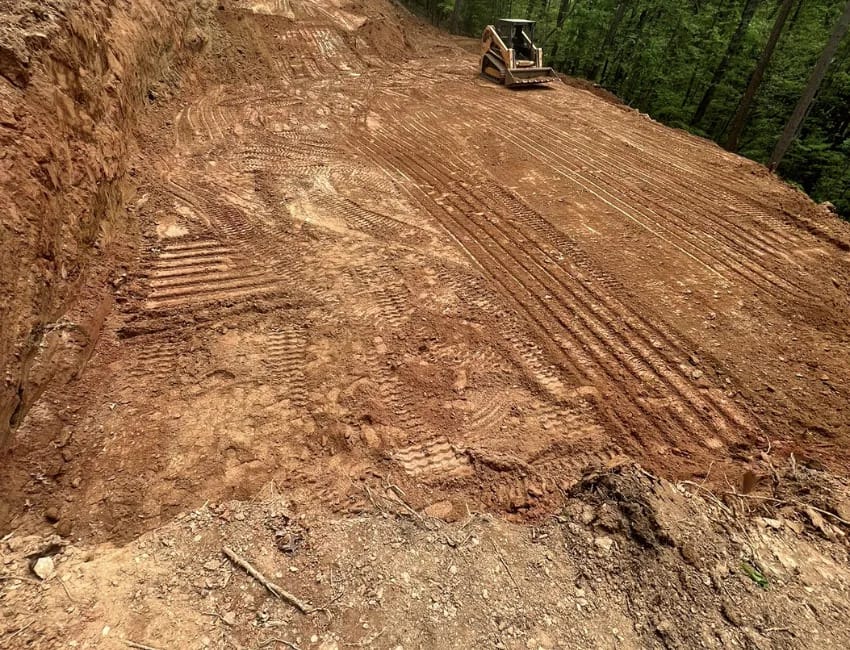
Construction sites in Fort Worth see intense rain in spring, sudden downpours in late summer, and long hot stretches that bake exposed soil. That combination can turn bare ground into deep ruts, muddy access roads, and sediment washing into streets or storm drains. Construction erosion control hydroseeding is a practical way to lock down disturbed soils while your project moves forward.
Legendary Hydroseeding Fort Worth focuses specifically on stabilizing active and completed construction areas. We design slurry mixes that match North Texas soils, slopes, and project timelines, so you get both compliance with your stormwater plan and a site that stays workable for crews. Whether you are building a subdivision, expanding a parking lot, or cutting new utility corridors, we tailor the hydroseeding approach to your grading plans and construction schedule.
Instead of relying only on straw, silt fence, or rock, we use a hydraulic application of seed, mulch, tackifier, and soil conditioners to create a protective layer that helps water soak in, reduces splash erosion, and establishes vegetation as a long term control. On many Fort Worth projects, hydroseeding becomes the link between rough grading and final landscape, so you do not spend twice on temporary and permanent solutions.
How Construction Erosion Control Hydroseeding Works on Your Site
Our process starts with a site walk, because every construction site behaves differently when it rains. At Legendary Hydroseeding Fort Worth we look at soil type, active work areas, drainage patterns, slope length, and where trucks and equipment move. We also review your SWPPP or city requirements so the erosion control plan lines up with your permits.
Once we understand the layout, we create a hydroseeding plan that breaks the project into zones. Critical slopes, perimeter areas near streets, and drainage swales usually get treated first. We coordinate timing with your grading contractor, since hydroseed performs best on soil that has been roughly shaped and free of heavy debris, but before ruts and channels have formed.
On application day we mix water, fiber mulch, seed, tackifier, and any soil amendments in a hydroseeder tank. The slurry is sprayed under pressure across the targeted areas. The green or brown color you see is the mulch that helps protect the soil surface and hold moisture around the seed. Tackifiers act as a glue so the mulch layer stays put through typical Fort Worth storms.
After application, traffic control is important. We flag or mark hydroseeded zones so equipment operators and subcontractors know to avoid driving through them. Our crew provides you with simple watering and protection guidelines tailored to current temperatures and expected rainfall, so the vegetation has the best chance to establish and keep soil in place.
Materials, Mixes, and Options for Active Construction Sites
Construction erosion control hydroseeding is not one size fits all. For high traffic or short term stabilization areas, we often use a fast germinating annual mix that grabs the soil quickly, then can be removed or reworked later. For perimeter and long term slopes, we lean toward deep rooted grasses that stay in place for years and reduce your need for additional controls.
In the Fort Worth area we commonly specify blends of drought tolerant turf-type fescues, Bermuda (when seasonally appropriate), and native grasses for longer slopes and basin banks. During cooler months, ryegrass may be added to provide rapid green cover while warm season grasses develop. We select species based on the project schedule, city standards, and how soon the area will be turned over to the owner.
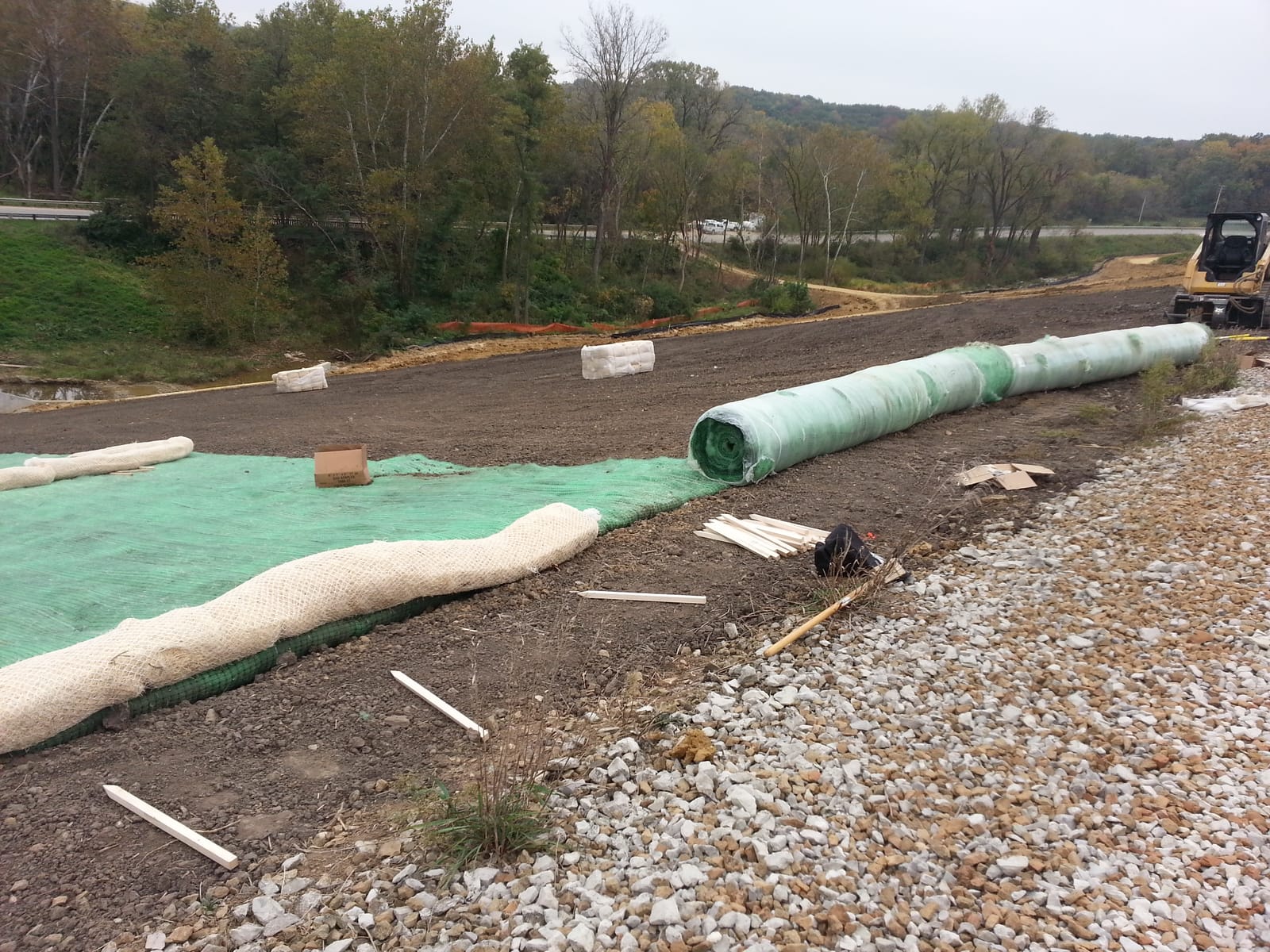
Mulch type matters too. For gentle slopes and interior pads, standard paper or wood fiber mulch can be enough. For steep slopes, highly erodible fills, or areas beside drainage inlets, we may use a heavy wood fiber mulch, bonded fiber matrix, or apply hydroseed in conjunction with rolled erosion control blankets. Tackifier rates are adjusted based on slope length and the likelihood of intense rainfall.
If your soil is heavily compacted from equipment traffic, we may recommend light surface scarification before hydroseeding, plus soil amendments like gypsum or organic matter in certain areas. This helps roots penetrate and improves long term erosion resistance instead of just creating a thin green film that does not last.
Local Timing, Weather, and Fort Worth Specific Considerations
Fort Worth weather patterns strongly influence when and how construction erosion control hydroseeding should be done. Spring through early summer brings frequent, sometimes heavy thunderstorms. In this window, we focus on getting high risk slopes and perimeters protected quickly, often pairing hydroseeding with temporary BMPs like silt fence and inlet protection. We adjust tackifier rates upward when storms are in the forecast.
Mid to late summer can be extremely hot and dry. During that time, we either plan for supplemental irrigation or choose hardy, warm season seed blends that can handle heat and intermittent watering. We also pay close attention to municipal watering restrictions and coordinate with your site superintendent so hoses, water trucks, or irrigation heads can reach critical zones.
Fall in North Texas is an ideal season for many erosion control seeding projects, because soil is still warm and rainfall is more moderate. This is often when subdivision developers and commercial builders stabilize final slopes, detention ponds, and street frontages ahead of winter inspections. We commonly use cool season nurse grasses in fall that provide a quick cover, with permanent species taking over in spring.
Winter seeding is still possible on many Fort Worth projects, but it requires the right species and realistic expectations. We explain how lower soil temperatures may delay germination and may recommend interim BMPs or a two phase seeding plan so that your site stays compliant even if vegetation establishes slowly.
Cost Drivers, Common Challenges, and How We Solve Them
The cost of construction erosion control hydroseeding is largely driven by area size, slope conditions, material selection, and access. Steeper slopes, remote pads, and areas that need premium mulch or higher tackifier rates will cost more per square foot than flat interior lots with simple mixes. Night or weekend work, often needed on busy commercial sites or road projects, can also influence pricing.
At Legendary Hydroseeding Fort Worth we provide clear takeoffs based on your grading plans or drone measurements when available. We separate pricing for different zones, such as high risk slopes, detention basins, and building pads, so you can prioritize what must be done first to meet inspection deadlines.
Common problems on construction sites include equipment tracking across freshly hydroseeded zones, unexpected heavy storms shortly after application, and schedule conflicts between trades. To reduce damage, we coordinate ahead of time with your superintendent to place hydroseed after heavy traffic phases, and we stake or flag sensitive areas so operators know where not to drive.
If a severe storm hits soon after installation and causes washouts, we will assess the damage and recommend targeted touch up applications rather than redoing entire areas. For consistently problematic spots, such as the bottom of long slopes or concentrated flow paths, we may suggest adding rock checks, additional wattles, or a shift to a more robust mulch system. Our goal is to keep your erosion control working so you avoid reinspection delays and sediment related issues.
What Fort Worth Builders Should Look For in an Erosion Control Hydroseeding Partner
Choosing the right hydroseeding contractor for construction erosion control is about more than just unit price. You need a partner who understands local codes, typical inspector expectations, and how construction sequencing affects erosion risk. Legendary Hydroseeding Fort Worth works regularly with general contractors, civil engineers, and developers across the metroplex, so we are familiar with common SWPPP requirements and subdivision standards.
You should expect your hydroseeding provider to ask for grading plans, phasing schedules, and any city or county erosion control notes, not just a total acreage number. This information lets us recommend where hydroseed is appropriate and where alternative controls might be required. We are straightforward about what hydroseeding can and cannot solve, especially in areas with concentrated flow or ongoing earthwork.
Communication is critical. We provide site contacts with clear prep instructions, such as when to complete fine grading, how to handle trash and large rocks, and which areas must remain undisturbed after application. We also give simple post installation guidelines so your crew knows when light foot traffic is acceptable and when to keep equipment away.
If you are planning a new project in or around Fort Worth and want to integrate hydroseeding into your erosion control strategy, we can review your layout early, suggest practical treatment zones, and give you budget numbers before you finalize your SWPPP. That proactive approach helps prevent last minute scrambling before inspections and keeps your schedule moving.