Home › Lawn Repair and Hydroseeding Overseeding
We specialize in lawn repair hydroseeding in Fort Worth, TX to revive thin, bare, or damaged yards. Our overseeding process improves density and color while targeting problem spots. We address underlying soil or grading issues so your repaired lawn grows in thicker and more resilient.
Legendary Hydroseeding Fort Worth provides professional lawn repair hydroseeding throughout Fort Worth, TX, Texas and the surrounding area. Our licensed, insured crew delivers safe, clean, on-time work with a free estimate before anything begins. Call 682-900-2918 or request your free quote.
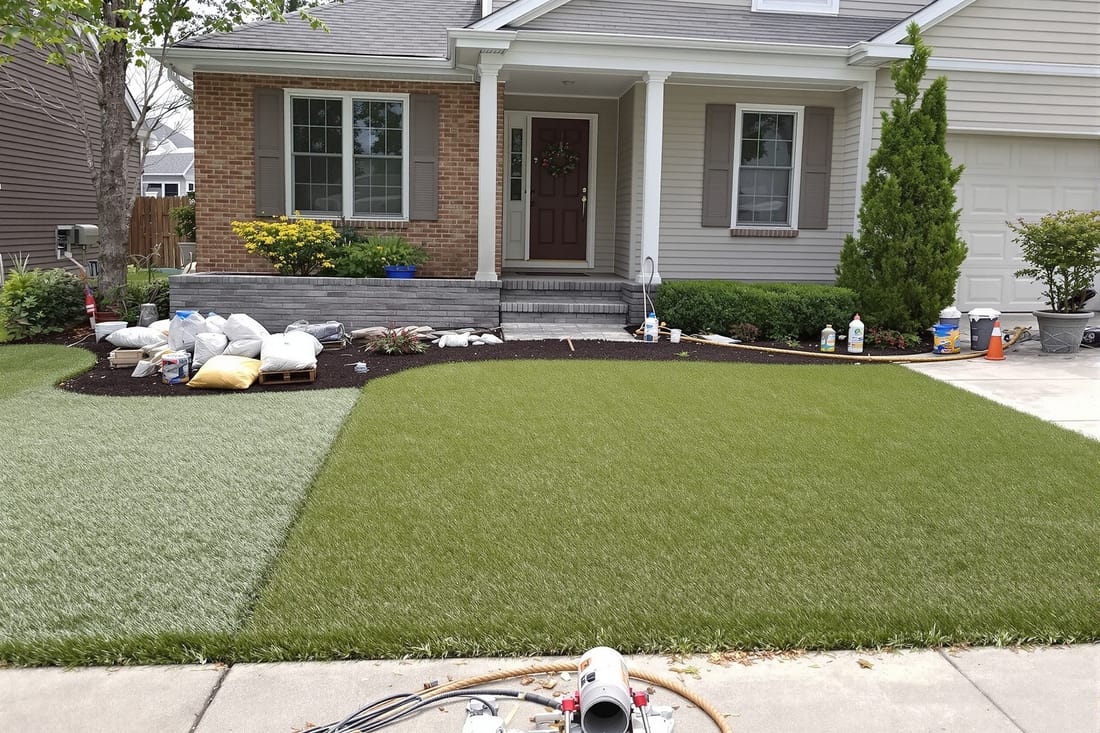
Targeted Lawn Repair Hydroseeding for Fort Worth Yards
Fort Worth lawns take a beating from heat, clay soils, and surprise storms. Legendary Hydroseeding Fort Worth focuses specifically on lawn repair hydroseeding and overseeding, which means we are not just spraying seed on bare soil. We diagnose what went wrong, correct the root causes, and then use hydroseeding to reestablish a thick, durable turf.
For local homeowners, this service is ideal if you have thin, patchy grass, bare spots from drought or traffic, or areas where sod never rooted correctly. Instead of tearing out the entire yard, we strategically repair and reinforce the turf using a pressurized mix of seed, mulch, fertilizer, and soil amendments. This approach is often more affordable than full resodding and lets us tailor the grass blend to Fort Worth conditions and to the exact sunlight patterns on your property.
Our crews are trained to work with real neighborhood conditions in Fort Worth and surrounding communities. Whether you are in a compact city lot with heavy foot traffic or a larger property with irrigation challenges, we plan lawn repair hydroseeding so that the new grass has the best chance to establish and stay healthy in our hot, variable climate.
Our Inspection and Soil Correction Process
Effective lawn repair starts with careful inspection. When Legendary Hydroseeding Fort Worth visits your property, we look at more than just the visible bare spots. We check soil texture, compaction, grade, shade, drainage patterns, and existing grass type. In Fort Worth, two issues show up repeatedly: compacted clay subsoil and uneven watering patterns that create dry patches and shallow roots.
We typically run a quick field soil test to estimate pH and organic matter. If your soil is too alkaline, which is common in North Texas, we adjust our hydroseeding mix formula and may recommend gypsum or other amendments to improve structure. In some cases, we will recommend core aeration before lawn repair hydroseeding so the seed and nutrients can penetrate instead of sitting on a hard surface.
Drainage and shade also affect our plan. For example, if water from your downspouts is scouring channels in the lawn, we will reshape those small areas or add erosion control measures before hydroseeding. In high shade areas under live oaks or pecans, we will specify a shade tolerant seed blend and possibly reduce the hydroseeding area if grass is unlikely to thrive there at all. This front end evaluation lets us avoid wasting your budget on areas that will not hold turf long term.
Step by Step Lawn Repair Hydroseeding & Overseeding
Once the site is prepped, Legendary Hydroseeding Fort Worth follows a detailed sequence for lawn repair hydroseeding. First, we remove dead thatch, weeds, and loose debris by power raking or scalping with a mower. This exposes soil so the slurry can bond and seed can contact the surface. We then lightly grade and smooth damaged spots using rakes and topsoil where needed, eliminating dips that collect water and high spots that dry out too quickly.
If overseeding into a thin but still living lawn, we set the existing turf very short to reduce competition, then core aerate or slice seed to open channels. This allows the hydroseeding mix to settle into the canopy and soil rather than sitting on top of the grass blades. For large bare areas, we may incorporate a thin layer of compost or screened topsoil (typically one quarter to one half inch) to improve germination and rooting.
Next we apply the hydroseeding slurry using a professional machine. The mix contains carefully measured grass seed, wood or paper mulch, starter fertilizer, tackifier, and sometimes soil conditioners. We work in overlapping passes to get even coverage and avoid missed strips. In some high stress locations, like parkways near the street or along driveways that radiate heat, we may apply a second lighter pass to increase seeding density. Immediately after application, we set or adjust your irrigation schedule and flag any areas that need extra attention for the first three weeks.
Grass Types, Mix Options, and Seasonal Timing in Fort Worth
Choosing the right seed blend is critical. Legendary Hydroseeding Fort Worth focuses on grass types that perform in Fort Worth conditions, which means hot summers, occasional freezes, and periods of drought restriction. For permanent lawns, we often use cool season overseeding only as a temporary cosmetic solution, and we prioritize warm season bases.
For front yards with full sun, a Bermuda grass base is common. We may use a common or improved Bermuda seed blend for full renovations. For overseeding into an existing Bermuda lawn that has thinned, we select a compatible Bermuda variety that matches color and texture as closely as possible. In areas with partial shade, we may combine Bermuda in sunnier spots with a more shade tolerant fescue or blend different zones rather than forcing a single grass to perform everywhere.
Timing drives results. In Fort Worth, warm season hydroseeding for long term lawn repair is best from late April through early September when soil temperatures are at least 65 to 70 degrees. Overseeding with cool season rye for winter color, which some homeowners prefer on front yards or commercial entrances, is typically done from late October through November. Planting outside those windows increases risk of disease or failure, so we will advise against it rather than take your money for a poor outcome.
Watering, Establishment, and Aftercare You Can Expect
Newly hydroseeded lawns live or die by their first 30 days. At Legendary Hydroseeding Fort Worth, we give you a written watering schedule tailored to your sprinklers, soil type, and the specific mix we used. As a general rule of thumb, you can expect shorter, more frequent cycles at first to keep the mulch blanket consistently damp, then gradually longer and less frequent cycles to encourage roots to chase moisture deeper.
For example, a typical summer Bermuda repair project might call for three to four light waterings per day during the first 7 to 10 days, then tapering to once per day, then every other day as the seedlings mature. We will walk you through how to program your controller or manually run zones if you do not have an automated system. We also explain how to watch for overwatering, such as standing puddles or algae growth, which can suffocate seed and encourage fungus.
Mowing typically starts once the new grass reaches about 3 inches. We recommend using a sharp blade and removing no more than one third of the height at a time. Fertilizer follow up is usually scheduled at 4 to 6 weeks, depending on season and growth rate. We can include a follow up visit for adjustment and spot touch ups in high traffic or stressed areas so the repaired sections blend seamlessly with the rest of your lawn.
Pricing, What Affects Cost, and Common Issues We Solve
Lawn repair hydroseeding usually costs less per square foot than full sod replacement, but exact pricing depends on several factors. Legendary Hydroseeding Fort Worth looks at total square footage, how much prep work is needed, whether we are overseeding into existing turf or starting from bare soil, access for equipment, and the type of seed mix required.
For example, small, heavily damaged areas scattered around a property often cost more per square foot than a single large, open area because of the extra hand work, edging, and setup. Sloped sections that need erosion control matting or extra tackifier also increase cost. If your soil requires significant amendment, such as importing screened topsoil to replace construction fill, we will itemize that separately so you can see exactly where your budget is going.
We regularly fix problems like patchy growth from past DIY seeding, erosion around patios and pool decks, and lawns that never fully recovered after a sprinkler malfunction or broken main line. In many cases, we can repair selected zones instead of starting over everywhere. During the estimate, we will tell you plainly if hydroseeding is the right approach or if a different solution, such as sod in a shaded high visibility area, would be smarter. Our goal is a durable result, not just a quick green splash that will fade after one season.
Why Fort Worth Homeowners Choose Legendary Hydroseeding Fort Worth
Local experience matters when you are dealing with clay subsoils, Tarrant County water restrictions, and months of 100 degree days. Legendary Hydroseeding Fort Worth has designed our lawn repair hydroseeding approach specifically around these conditions. We know which mixes can handle radiated heat from stone houses, south facing slopes, and how to work with existing irrigation systems that may have limited coverage.
We handle the whole process, from assessment and prep to hydroseeding, watering guidance, and optional follow up treatments. Our crews are trained to protect your hardscape and landscaping during application, and we clean overspray off sidewalks and curbs before we leave. Every job comes with clear expectations on germination time frames and realistic appearance milestones, so you know what your yard should look like at two weeks, six weeks, and beyond.
If you are in Fort Worth or nearby communities and your lawn is thin, discolored, or failing in sections, we can evaluate whether targeted lawn repair hydroseeding and overseeding will give you a better return than a full tear out. Contact Legendary Hydroseeding Fort Worth to schedule an on site assessment and get a detailed, locally informed plan for rebuilding your turf.