Home › Erosion Control Blankets and Matting
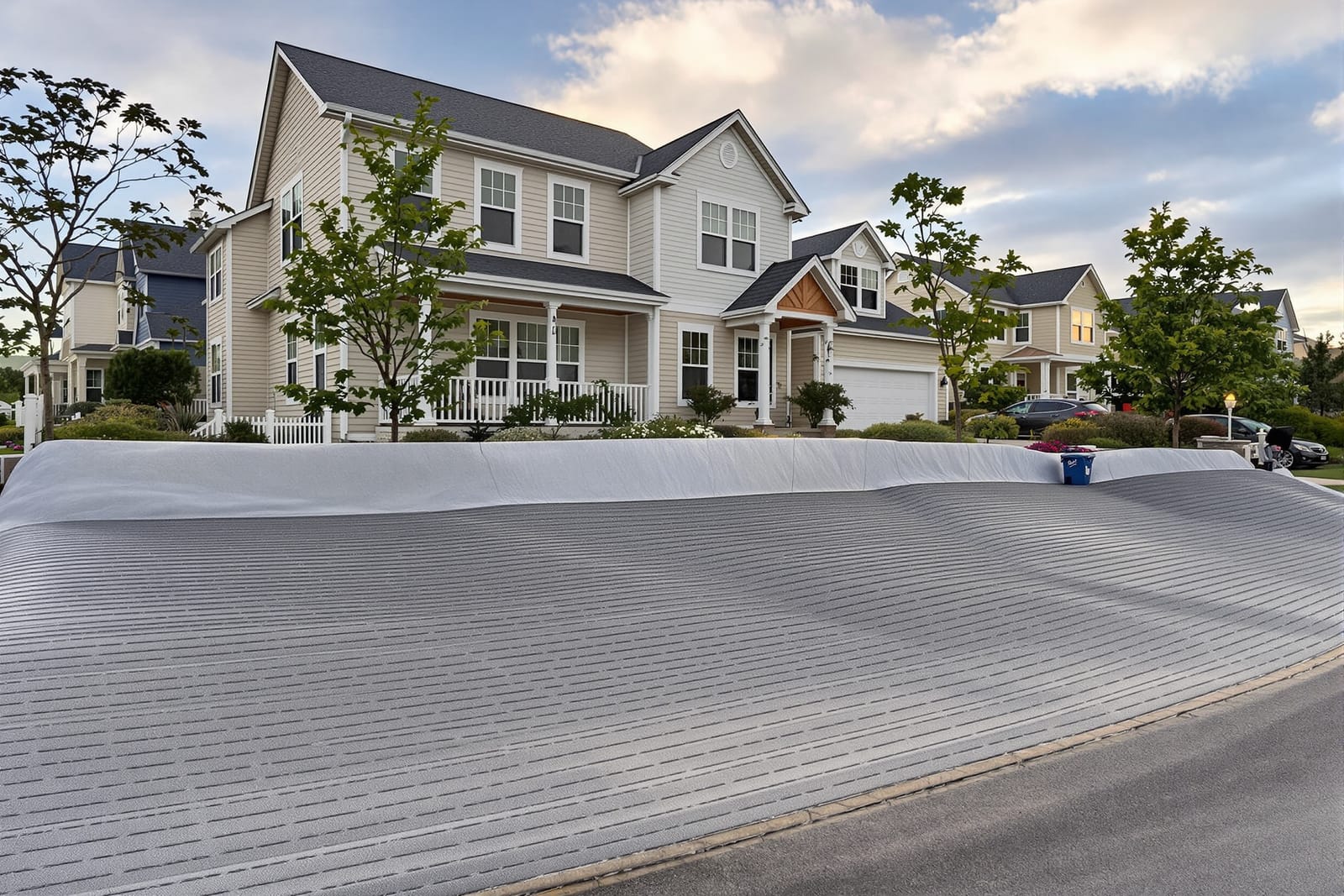
We install erosion control blankets in Fort Worth, TX to protect vulnerable residential slopes and ditches. Straw or coir matting is combined with hydroseeding for fast vegetation and soil stability. This system reduces washouts, keeps seed in place, and helps establish grass on challenging ground.
Legendary Hydroseeding Fort Worth provides professional erosion control blankets throughout Fort Worth, TX, Texas and the surrounding area. Our licensed, insured crew delivers safe, clean, on-time work with a free estimate before anything begins. Call 682-900-2918 or request your free quote.
Erosion control blankets that work in Fort Worth soil and weather
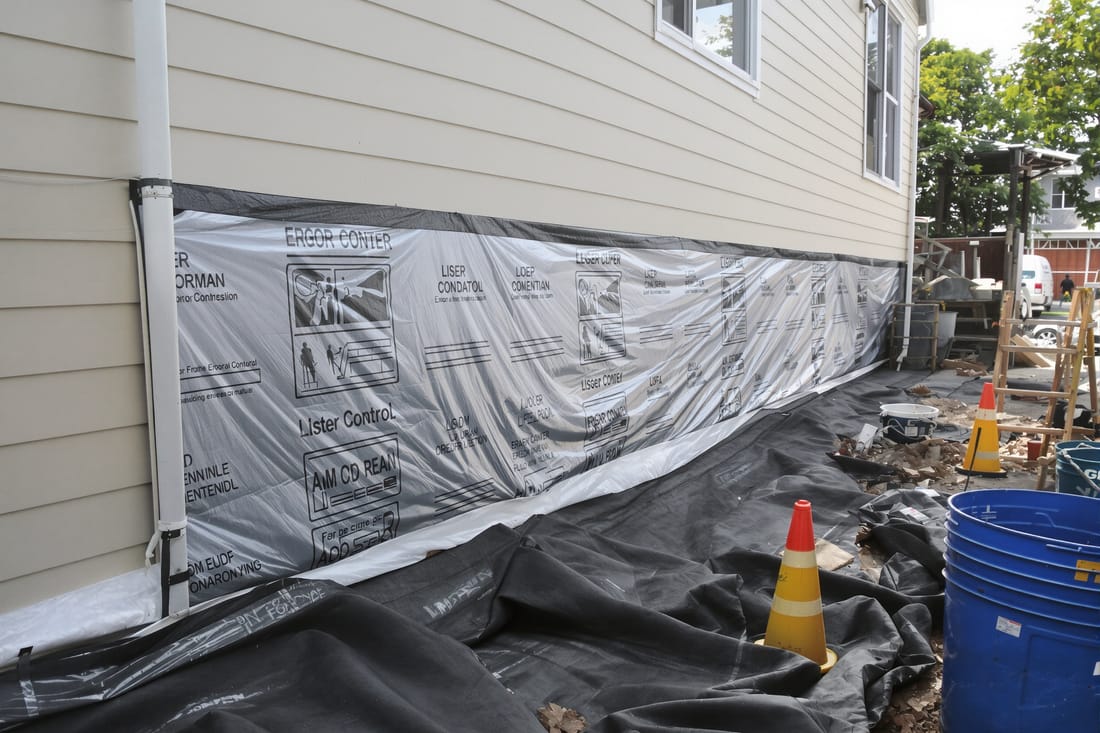
If you are dealing with washouts, bare slopes, or muddy construction entrances, erosion control blankets are often the most reliable way to lock your soil in place. At Legendary Hydroseeding Fort Worth, we design and install erosion control blankets and matting that are matched to our local clay soils, sudden downpours, and hot Texas summers.
An erosion control blanket is a protective layer that sits on top of the soil to keep it from washing away while grass or native plants establish roots. The right blanket can prevent rills and gullies from forming after storms, keep seed in place after hydroseeding, and help you meet city or TCEQ stormwater requirements on jobsites. The wrong blanket, or poor installation, can actually trap water in the wrong areas or slide off the slope.
Every property and project is different. A new home on a hilly lot near Eagle Mountain Lake will need a different approach than a commercial site near I-20 with heavy truck traffic. Our team evaluates slope angle, soil type, drainage patterns, and expected foot or vehicle traffic before recommending specific erosion control blankets. This is how we avoid generic, one-size-fits-all solutions and give you something that holds up when the first real Fort Worth storm hits.
Types of erosion control blankets and where each works best
There is no single “best” erosion control blanket. Legendary Hydroseeding Fort Worth stocks and installs several categories so we can match performance and cost to your site.
For gentle slopes and residential yards, we frequently use straw or straw/coconut (coir) blankets with a biodegradable netting. These are ideal when you want the blanket to slowly break down as the grass matures. They are great alongside driveways, in new front yards in subdivisions out by Benbrook, and around septic fields where you do not want plastic netting left in the soil.
On steeper slopes or drainage ditches, we usually step up to heavier coconut coir blankets or double-net blankets. Coir fibers last longer than straw, so they provide protection through more than one growing season, which can be important on north-facing slopes or areas shaded by structures where grass takes longer to establish.
For high-flow channels, culvert outlets, and areas that see concentrated stormwater, we move into turf reinforcement matting (TRM). These are heavy-duty synthetic or composite mats that are designed to work with vegetation to withstand repeated high flows. You might see these along commercial detention ponds, drainage swales behind shopping centers, or in roadside ditches where Fort Worth’s inspectors are strict about erosion control.
We also install temporary construction entrance mats and heavy coir logs in combination with blankets where you need to slow down water and direct it away from vulnerable areas. During our site visit, we will explain why a specific material is recommended, how long it is expected to last, and what it will look like as vegetation grows through it.
How installation of erosion control blankets actually works
Proper installation matters more than the specific blanket brand. A premium blanket installed poorly will fail during the first big storm. Legendary Hydroseeding Fort Worth follows a step-by-step process that is based on manufacturer specs and our field experience on Fort Worth properties.
First, we prep the soil. That means grading to remove ruts, smoothing out high spots, and shaping a gentle, continuous surface so water does not concentrate under the blanket. On new builds in areas like Walsh and Sendera Ranch, we often have to break up compacted fill dirt so roots can penetrate and water can soak in instead of running off.
Next, we amend and seed if needed. For many projects we hydroseed or broadcast seed just before laying the blanket, using a grass mix that is suited to North Texas, such as Bermuda or a Bermuda and fescue combination, depending on whether the area will be irrigated. Getting the seed-to-soil contact right is important, because once the blanket goes down, you will not be able to regrade easily.
Then we install the blanket from the top of the slope downward, keeping it tight against the soil with no air pockets. We anchor the top edge in a trench (typically a 6 inch deep key-in trench), then backfill and compact that trench so water cannot get under the upper edge. Overlaps between rolls are staggered and shingled in the direction of flow so water flows over the seams, not under them.
Stapling and anchoring are where many DIY jobs go wrong. We use erosion control staples or pins in a dense pattern near the top and bottom of the slope, at seams, and in any transition areas. On steeper slopes or in high wind locations like open lots west of Fort Worth, we increase the staple density and may use longer pins to get through loose fill.
Finally, we inspect edges around sidewalks, riprap, and existing turf and make sure nothing is left loose that wind or runoff can catch. After installation, we walk you through watering, mowing, and traffic recommendations so you know exactly how to care for the area while the vegetation takes over the job of holding the soil.
Costs, timelines, and what affects your price in Fort Worth
Homeowners and contractors often ask what erosion control blankets cost, but the honest answer is that it depends on several site-specific factors. Legendary Hydroseeding Fort Worth gives written estimates that break this down so you can see where your money is going.
The first driver is square footage and slope. A small, gently sloped backyard section in a Fort Worth neighborhood could be very affordable, while a long, steep roadside swale or a large commercial detention pond will require more material, more labor, and more frequent anchoring.
Second is material choice. Straw blankets are generally the most economical. Straw and coir blends and full coir blankets cost more but provide longer-lasting protection. Turf reinforcement mats are the most expensive and are reserved for locations that experience concentrated high flows. In some areas, especially on permitted construction sites, the stormwater plan may specify certain types or performance ratings for blankets, which also affects cost.
Access to the site also matters. If our crew can walk everything in from the street or driveway and the area is already rough-graded, the price stays lower. If we have to work around existing landscape, navigate narrow gates, or move material to the back of acre-plus lots common around the edge of the metro, labor time goes up.
We can usually schedule smaller residential erosion control blanket projects within a week or two, especially in the main growing seasons of spring and early fall. For builder or commercial work tied to inspections or stormwater compliance, we coordinate with your superintendent or project manager so blankets and matting are installed before key inspections. If you are working under a SWPPP or have a TCEQ or City of Fort Worth inspector involved, we can install to the details on your plans and provide photos for your records.
What Fort Worth property owners should know before hiring
Before you hire anyone to install erosion control blankets, it helps to know what to look for in a contractor and how to avoid future headaches.
First, ask about local experience. Fort Worth clay shrinks and swells, and our storms can drop several inches of rain in a single event. A crew that only works in sandy soils will not anchor or overlap blankets the same way we do in heavier soils. Legendary Hydroseeding Fort Worth has installed blankets on everything from Lake Worth shorelines to new hillside builds where runoff was heading straight toward neighboring fences.
Second, check that the installer understands how blankets, seeding, and drainage interact. Erosion control blankets are not stand-alone magic. They must be combined with proper grading and a realistic vegetation plan. On HOA properties, such as in master-planned communities, we also confirm that the grass type and finished look will satisfy your architectural guidelines before we start.
Third, make sure your estimate includes site prep, seeding (if needed), materials, labor, and cleanup. Beware of “material only” quotes that leave you finding out later that installation, staples, and seed are all extra. We spell out whether we are tying into existing grass, transitioning into rock or concrete, or coordinating with other trades like concrete or irrigation.
Finally, ask about maintenance expectations. We explain how soon you can walk on the area, when to start and adjust irrigation, what mowing height to use once grass comes up, and what to do after a heavy storm. If there is localized failure, such as a small washed-out area, we can return to repair, reanchor, and touch up seed so you are not left trying to fix it alone.
If you are in Fort Worth or nearby communities like Arlington, Benbrook, or Saginaw and you want erosion control blankets that are installed correctly the first time, Legendary Hydroseeding Fort Worth is ready to help. We are happy to look at photos, visit your site, and recommend a solution that actually fits your slope, budget, and long-term plans.