Home › Pipeline and Utility Corridor Hydroseeding
Our pipeline hydroseeding services in Fort Worth, TX restore utility corridors, trench lines, and transmission rights of way. We regrade disturbed areas and apply seed mixes suited to long linear projects. Quickly stabilize soil and meet restoration requirements after installation work.
Legendary Hydroseeding Fort Worth provides professional pipeline hydroseeding throughout Fort Worth, TX, Texas and the surrounding area. Our licensed, insured crew delivers safe, clean, on-time work with a free estimate before anything begins. Call 682-900-2918 or request your free quote.
Pipeline Hydroseeding for North Texas Rights-of-Way
Pipeline and utility corridor hydroseeding is very different from spraying a front yard. You are dealing with long, narrow rights-of-way, steep side slopes, access issues, and strict erosion and environmental requirements. Legendary Hydroseeding Fort Worth focuses specifically on this kind of work across Tarrant County and the surrounding North Texas area.
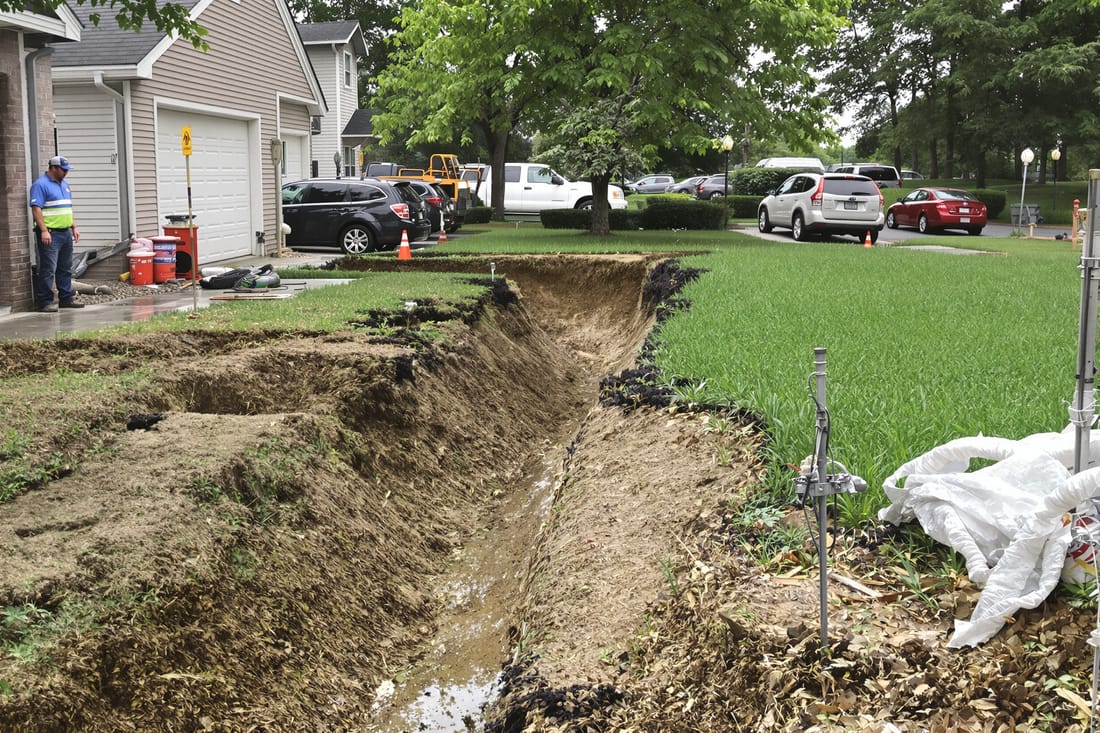
On a typical pipeline hydroseeding project, we are restoring disturbed soil along the trench, access roads, and work pads after construction or maintenance. The goal is to stabilize the ground quickly, control erosion into nearby creeks or bar ditches, and establish a vegetation cover that meets the operator’s specs and any permit conditions. We work on gas and liquid pipelines, water and sewer force mains, telecom corridors, and powerline access routes.
In Fort Worth, soil and weather are the two big drivers of how we design your seeding mix and schedule. Many rights-of-way cut through heavy Blackland clay that holds water and cracks when dry, while others run across sandy or gravelly sections near river bottoms. We adjust the seed mix, mulch rate, and tackifier to match each segment so you are not wasting money on a one-size-fits-all approach.
How Pipeline and Utility Corridor Hydroseeding Actually Works
For pipeline hydroseeding, we start at the planning table, not at the hose. Legendary Hydroseeding Fort Worth reviews your alignment sheets, as-builts, and any environmental or city requirements. We break the corridor into sections by slope, soil type, and access. That lets us choose which stretches can be reached by truck and which may require hose runs or smaller equipment.
Field work begins with site prep. We walk the right-of-way with the contractor or operator, check that grading is complete, rock and trash are removed, and topsoil (if stockpiled) is spread back over the trench and work areas. If the ground is too compacted from dozers or sidebooms, we recommend light scarifying or track-walking so the seed and mulch can bite into the surface instead of sitting on a hard pan.
Next, we custom mix the slurry in the hydroseeder tank. For most pipeline and utility corridors around Fort Worth, that means a blend of native grasses and quick-cover species, mulch fiber, tackifier, and sometimes a starter fertilizer. The ratio is adjusted for whether the section is flat, gently sloped, or a steep cut or fill. We then spray the mixture evenly over the corridor, feathering the edges into adjacent undisturbed vegetation so there is no sharp transition line that can ravel or wash.
On steep side slopes or near sensitive drainages, we often increase mulch rates or change products so the material locks together better. In some cases, we stage the work, applying a first pass for erosion control, then a second, lighter pass to meet specific seed density or species requirements in your specs.
Material Choices, Seed Mixes, and Design Options
Not every pipeline hydroseeding job in Fort Worth should use the same seed bag. Legendary Hydroseeding Fort Worth helps you select a mix that fits your regulatory requirements and long term maintenance plans. Many operators prefer native grasses for long term stability, with a nurse crop for fast cover. Common natives here include sideoats grama, little bluestem, Indiangrass, and switchgrass. For quick early cover in our hot summers, we often add annual rye, weeping lovegrass, or other seasonal species as allowed by your standards.
Mulch choice depends on slope and rainfall risk. On flatter pipeline corridors and access roads, a standard cellulose or blended mulch at 2,000 to 2,500 pounds per acre usually works well. On steep or highly erodible slopes, we move to higher mulch rates or bonded fiber matrices that hold tighter when Fort Worth gets one of those fast two inch thunderstorms. If you already have erosion control blankets or mats specified for certain segments, we coordinate the hydroseeding so seed goes under or through the blanket as the design calls for.
We can also integrate soil amendments if testing or experience shows a need. Some of our local clays are high pH and low in available phosphorus, which can slow establishment. In those corridors we may recommend adding a balanced slow release fertilizer at the time of hydroseeding. Where compaction is severe but regrading is not an option, we may suggest organic amendments to improve infiltration and root penetration over time.
Colorants can be added so inspectors can easily see coverage from access roads or aerial photos during closeout, although we keep rates reasonable so they do not drive up cost. All of these choices are documented on our application records so you have clear as-built data for your compliance files.
Scheduling, Costs, and Local Fort Worth Considerations
Timing is one of the most important decisions for pipeline hydroseeding in North Texas. In the Fort Worth area, the best windows for cool season establishment are typically late September through early November, and for warm season natives, mid March through late May, depending on rainfall. You can seed outside these windows, but establishment may be slower and you may need more follow up or overseeding. Legendary Hydroseeding Fort Worth can help phase work so construction and restoration stay in step with realistic growing conditions.
Cost on a pipeline hydroseeding project is driven by a few main items: corridor length and width, access difficulty, slope conditions, and the materials specified. Long, straight, accessible runs are more efficient, since we can stay in production and minimize hose work. Short reaches broken up by fences, creeks, or tight easements require more setup time per acre. Steep slopes and high performance mulch products add material cost but can reduce repairs after big storms, which often saves money overall.
Seed mix also affects budget. Native blends that meet TxDOT type specs or utility company standards can cost more per pound than basic pasture grasses, but they usually provide better long term stability and lower mowing needs. We always separate our pricing so you can see the cost of labor, mulch, seed, and any tackifiers or additives, instead of a single opaque per acre number.
Permitting and inspection requirements in and around Fort Worth can also influence how we stage work. Some projects require restoration to keep pace with trench backfill, where you must stabilize within a set number of days. Others allow you to seed entire spreads at once. We coordinate with your environmental staff or third party inspectors to document application dates, weather conditions, and product types so you have the paperwork you need if regulators or landowners ask for it later.
Common Pipeline Hydroseeding Challenges and How We Handle Them
Working on pipeline and utility corridors means handling problems that do not show up on regular lawns. One common issue is washouts after heavy storms, especially on the sloped shoulders of the trench line or where the corridor crosses a drainage. Legendary Hydroseeding Fort Worth plans high risk areas ahead of time, increasing mulch and tackifier rates, or pairing hydroseeding with check structures, rock riprap, or erosion control blankets as needed. If a storm still cuts rills or gullies, we regrade those sections and spot repair the hydroseeding so coverage is restored quickly.
Access can also be difficult on long corridors, especially when landowners restrict entry points. We use high capacity hydroseeding rigs that can run long hose lengths from a county road or pad, which keeps trucks off sensitive areas and reduces the chance of stuck vehicles or rutting. For tight rights-of-way near urban Fort Worth neighborhoods, we pay close attention to overspray control, hose routing, and work hours so you stay in good standing with adjacent property owners.
Another frequent challenge is inconsistent topsoil replacement. Some segments get a good layer of stockpiled topsoil, others are thin and rocky. That leads to patchy stands if it is not addressed. Our crews call out obvious problem areas before spraying and can lightly scarify, adjust rates, or recommend targeted topsoil import where absolutely necessary. We prefer to fix the root cause rather than overspend on seed and mulch that will not perform on bad subgrade.
Finally, long linear projects are hard to monitor. Vegetation on one end of the spread may look great while another section fails due to a localized storm or soil issue. We offer follow up inspections at key milestones after hydroseeding, usually around 2 weeks, 6 weeks, and 90 days when requested, to identify thin spots early. That way, any touch up work is limited and you are more likely to pass your final stabilization checks on the first try.