Home › Stormwater Management Facility Hydroseeding
We provide stormwater facility hydroseeding in Fort Worth, TX for retention basins, infiltration areas, and drainage channels. Our seed mixes promote dense cover that stabilizes soil and supports water quality performance. Meet design intent and regulatory standards for stormwater infrastructure.
Legendary Hydroseeding Fort Worth provides professional stormwater facility hydroseeding throughout Fort Worth, TX, Texas and the surrounding area. Our licensed, insured crew delivers safe, clean, on-time work with a free estimate before anything begins. Call 682-900-2918 or request your free quote.
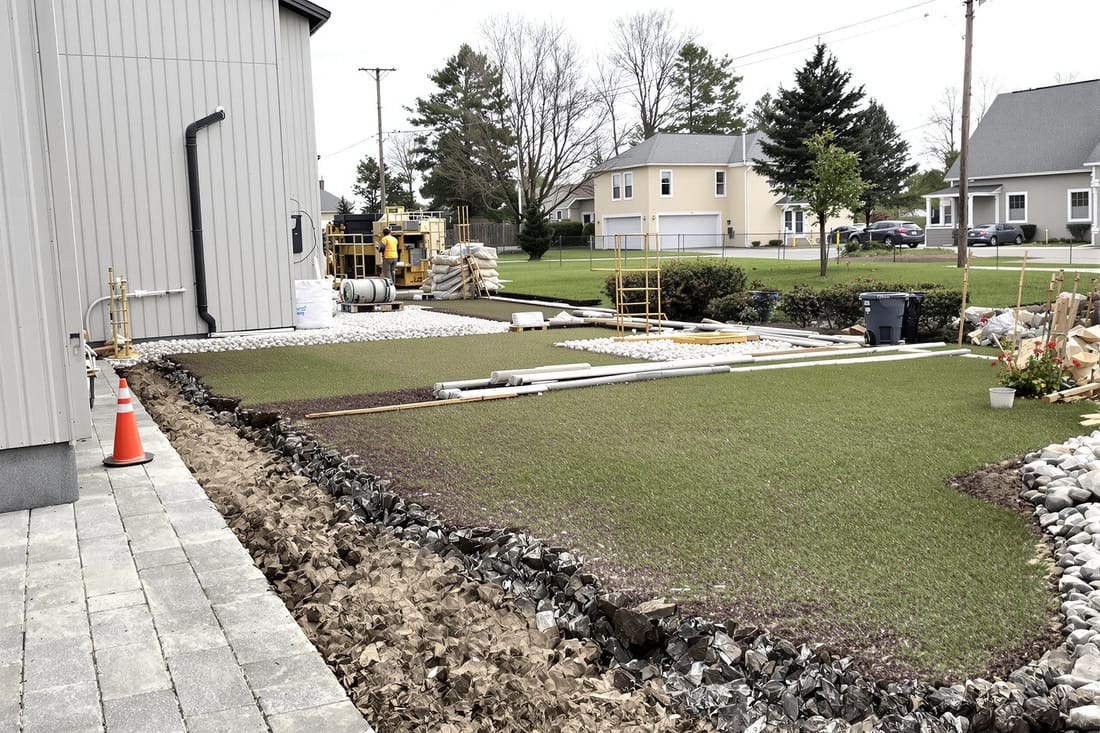
Stormwater facility hydroseeding for Fort Worth sites
Stormwater facility hydroseeding is not the same as spraying grass in a front yard. Detention ponds, retention basins, bioswales, and drainage channels in Fort Worth see heavy flows, standing water, and long dry spells. At Legendary Hydroseeding Fort Worth, we design hydroseed mixes and installation methods specifically for these high stress areas so your stormwater facility can pass inspections and actually perform in a Texas climate.
We work on facilities tied to new development, retrofits of older drainage systems, and repairs after erosion damage or failed vegetation. Our crews understand local municipal criteria, including TPDES and typical North Central Texas drainage design guidelines, so we can help you meet vegetative cover requirements instead of just “turning it green” for a few weeks.
If you are dealing with exposed slopes around a basin, rills in an outfall ditch, or facility punch list items that are holding up a certificate of occupancy, stormwater facility hydroseeding gives you a fast way to establish permanent cover without the cost and logistics of sod on steep or hard to access areas.
How the hydroseeding process works on stormwater facilities
Before any hose comes off the truck, Legendary Hydroseeding Fort Worth walks the stormwater facility with you or your contractor, reviewing plans and current site conditions. We look at slopes, soil compaction, existing erosion, inlets and outlets, and where heavy flows will travel. If the site is still under construction, we coordinate with grading and concrete crews so our work is not destroyed by later site activity.
Soil preparation is the first physical step. For most stormwater facilities in Fort Worth clay soils, we roughen the surface with rakes or light equipment, remove construction debris, and address obvious compaction. On very tight clay, we may recommend a thin compost or topsoil amendment in critical areas like pond side slopes to give roots a better start.
Next, we select a seed mix that fits your facility type, maintenance plan, and city or county requirements. For a dry detention pond where mowing is expected, we might use a Bermuda base with native or adapted companion species. For a bioswale or low mow area, we lean more heavily on native grasses and forbs that can handle both inundation and drought.
Once the mix is chosen, we load the hydroseeder with water, seed, a wood or paper mulch, fertilizer if appropriate, and tackifier to help the mulch lock to the soil. On steep or highly erodible slopes, we increase mulch and tackifier rates or combine hydroseeding with erosion control blankets on the most vulnerable stretches.
Our crew then applies the slurry in controlled passes, making sure coverage is even and consistent around inlets, outlets, and toe of slope transitions. We pay special attention to areas where high velocity water will enter or exit the facility, since these are the first places to fail if coverage is thin.
After application, we mark off the treated area as needed, provide you with clear watering and access guidelines, and document the installation for your project records.
Seed mixes and materials that work in North Texas stormwater facilities
Stormwater facility hydroseeding succeeds or fails on the choice of materials. Legendary Hydroseeding Fort Worth does not use a single stock mix for every site. Instead, we design around how the facility will be used and maintained, the soil present, and the specific microclimate on your property.
For full sun detention ponds on compacted fill, a mix anchored with common Bermuda or an improved Bermuda variety is often the most practical, since it tolerates mowing, foot traffic from maintenance crews, and long dry periods. We may blend in species like buffalograss or Texas bluegrass in suitable areas to increase resilience and reduce long term input needs.
For bioswales, water quality swales, and forebays that see periodic standing water, we shift toward deeper rooted, moisture tolerant natives. Depending on the design, that might include species such as eastern gamagrass, switchgrass, and selected forbs that support infiltration and filtration. We balance aesthetics, regulatory expectations, and realistic maintenance budgets, especially for commercial and municipal owners.
Mulch choice also matters. In Fort Worth, intense thunderstorms can strip light mulch from bare clay. On flatter swales and base areas, a high quality paper or blended mulch at the correct rate can be adequate. On side slopes, we typically use heavier wood mulch and stronger tackifier so the mat stays in place until the plants knit the surface together.
When spec sheets require it, we use certified seed and can provide documentation for engineers and inspectors. We also tune fertilizer inputs to the soil and target species, and we avoid over fertilizing that would send nutrients right into downstream storm drains.
What drives cost for stormwater facility hydroseeding in Fort Worth
Stormwater facility hydroseeding prices are influenced by more than just square footage. When Legendary Hydroseeding Fort Worth prices a project, we look at several specific factors that directly affect labor, material, and access.
Access and terrain are major drivers. A basin that can be reached with our truck parked at the rim will cost less per square foot than a narrow drainage channel that requires hundreds of feet of hose and careful maneuvering. Steep side slopes, deep ditches, or soft bottom areas increase setup time and application complexity.
Seed and mulch specifications also change the cost. A simple Bermuda mix with standard mulch is more economical than a specialized native mix with several species and heavier wood mulch. If your engineer or municipality requires higher mulch rates, certified seed, or a particular brand of tackifier, we include those requirements in the estimate.
Site condition matters. Freshly graded soil that is relatively clean is faster to prepare than an older facility with existing vegetation that must be knocked down, or areas with active erosion rills that need extra shaping before application. If erosion control blankets or temporary check structures are needed at inlets or on steeper slopes, we discuss those options and price them separately.
Finally, timing and phasing can influence your total spend. Combining multiple areas or phases into a single mobilization is usually more cost effective than bringing equipment back repeatedly for small patches. When we visit your site, we can point out logical break points to keep your costs predictable while still matching your construction schedule.
Common stormwater vegetation problems and how we handle them
Stormwater facilities around Fort Worth often struggle with the same issues: thin or patchy coverage on side slopes, rilling below outfalls, sediment build up that buries young plants, and vegetation that dies after the first hot, dry stretch. Legendary Hydroseeding Fort Worth designs our approach to avoid these failures and fix them when they do occur.
On steep slopes, the main problem is losing the seed and mulch before germination. We counter this with higher mulch and tackifier rates, or by pairing hydroseeding with erosion control blankets in the most vulnerable swaths. This combination stabilizes the soil immediately while the hydroseed mix establishes roots underneath.
At outfalls and concentrated flow points, simple hydroseeding is rarely enough. We typically recommend a hard armor or rock apron right at the discharge, transitioning to reinforced vegetation downstream. Our hydroseed application is focused on that vegetated section, and we return to inspect these areas if you request a follow up.
Sediment-laden construction runoff is another frequent cause of failed vegetation. If a basin is catching a lot of disturbed soil from active work upstream, new seedlings can be smothered. We coordinate with your site superintendent to time hydroseeding so that the worst of the upstream grading is complete, and we may suggest temporary measures, such as silt fence or check dams, to protect the newly treated areas.
For drought stress, especially in the first few months, we provide clear watering schedules for facilities where irrigation is possible, such as commercial campuses. For non irrigated regional basins, we select species with proven drought tolerance and explain realistic expectations so you know what establishment will look like through the first hot season.
Why local experience matters for stormwater facility hydroseeding
Stormwater facilities on paper all look similar, but in the field around Fort Worth they behave differently depending on soils, upstream land use, and how the owner plans to maintain them. Legendary Hydroseeding Fort Worth works only in this region, so we know how our seed mixes perform in Tarrant County clay, how quickly facilities dry out after a summer storm, and what local inspectors typically look for during closeout.
Local experience also speeds up coordination. We are used to working with area civil engineers, general contractors, and municipal inspectors. We understand the deadlines tied to temporary certificate of occupancy or final plat acceptance, and we schedule hydroseeding so it supports those milestones instead of delaying them.
Because we see the same types of facilities season after season, we can give you honest feedback on what is likely to succeed on your specific site rather than what looks good in a brochure. If a fully native mix is going to require more weed management than your maintenance team can handle, we will say so and offer a more practical blend.
When you contact Legendary Hydroseeding Fort Worth about stormwater facility hydroseeding, we start with a site visit, review of any available plans or specs, and a clear written proposal. You get a straightforward scope of work, material details, and expectations for establishment so you can close out your project with confidence that the stormwater facility will stabilize and function as designed.