Home › Native Meadow and Wildflower Hydroseeding
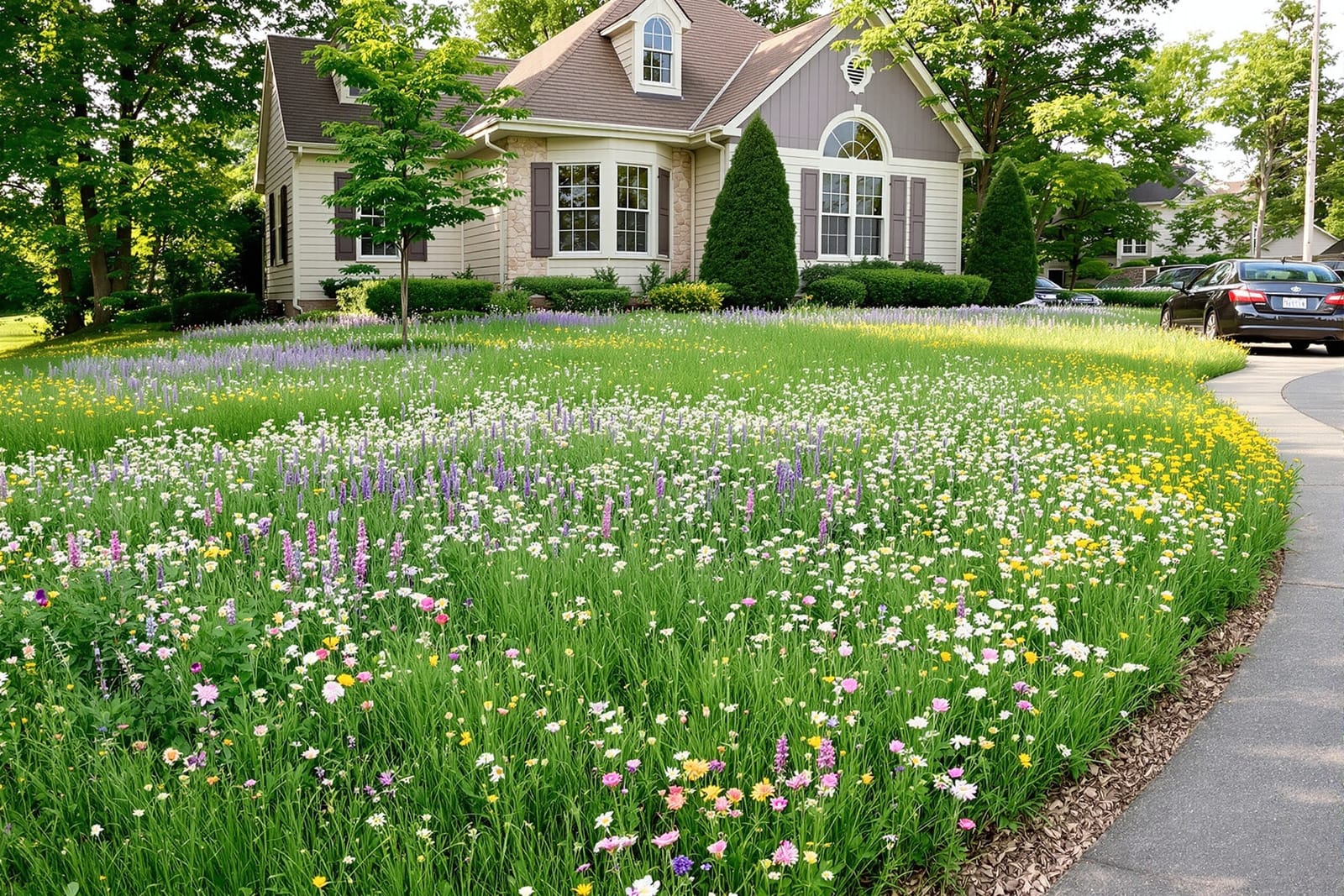
We create natural style landscapes with wildflower hydroseeding in Fort Worth, TX. Native and pollinator friendly mixes are sprayed over prepared soil to form colorful, low mow meadows. Transform unused areas into vibrant habitat that reduces maintenance and supports local wildlife.
Legendary Hydroseeding Fort Worth provides professional wildflower hydroseeding throughout Fort Worth, TX, Texas and the surrounding area. Our licensed, insured crew delivers safe, clean, on-time work with a free estimate before anything begins. Call 682-900-2918 or request your free quote.
Native meadow and wildflower hydroseeding for Fort Worth properties
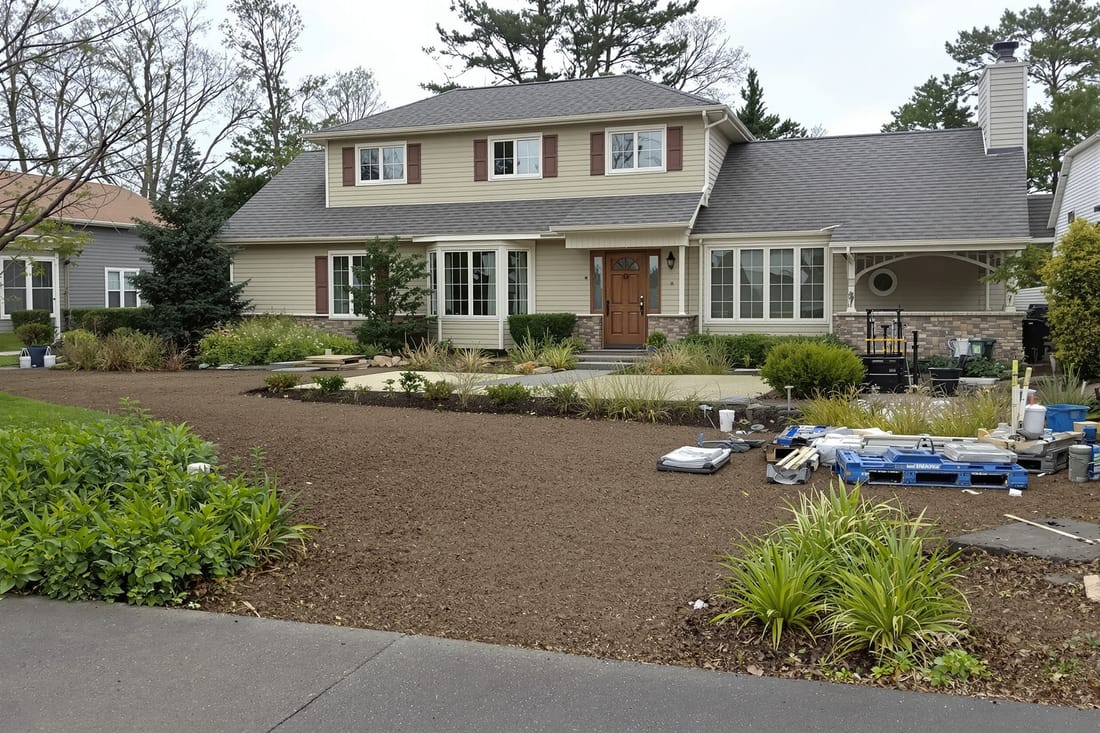
Native meadow and wildflower hydroseeding is a specialized way to turn bare soil into a living, low‑maintenance landscape using a sprayed slurry of seed, water, mulch, fertilizer, and soil conditioners. At Legendary Hydroseeding Fort Worth, we focus on mixes that perform in real Fort Worth conditions: hot summers, clay and caliche soils in many neighborhoods, and rainfall that tends to arrive in bursts rather than steady showers.
Instead of installing sod or hand‑seeding, we apply a custom wildflower hydroseeding blend that includes native and adapted species chosen for your exact site. This method gives you dense seed-to-soil contact, better moisture retention, and more even coverage on slopes, ditches, and irregular areas. It is ideal for acreage homes, roadside frontages, utility easements, commercial campuses, and any area where you want color and habitat instead of a high‑water lawn.
Our goal is not just pretty blooms for one spring. We design your meadow or wildflower area to come back year after year, with a succession of species that handle North Texas heat, wind, and occasional hard freezes.
How our wildflower hydroseeding process works in Fort Worth
Every wildflower meadow we hydroseed follows a clear process so you know what to expect from the first visit to the first bloom.
1. Site visit and soil review. We walk the area, look at existing vegetation, slope, and drainage, and, where appropriate, perform basic soil checks or review your past soil test results. In many Fort Worth yards we see compacted black clay, so we plan our mix and amendments around that reality.
2. Vegetation removal and cleanup. Successful native meadow and wildflower hydroseeding starts with taking out the competition. Depending on your site, this may mean a round of non‑selective herbicide applied in advance, mechanical removal of thick thatch or weeds, or mowing and scalping to get down to clean soil. We schedule this step so that regrowth is minimized before seeding.
3. Light grading and seedbed prep. We smooth ruts, knock down small mounds, and create a firm but slightly textured seedbed. In problem areas we may scarify the surface to break crusted clay. The goal is not perfect flatness. Instead, we want good microtexture so the slurry can grip the soil.
4. Custom slurry mixing. On site, we load our tank with water, fiber mulch, your selected wildflower and native grass seed blend, starter fertilizer where appropriate, and soil conditioners suited to your soil type. For high‑visibility areas, we may add a temporary green or blue dye so we can see coverage patterns clearly.
5. Hydroseeding application. Using a hose from our tank or the turret on the rig, we apply the slurry in a controlled, overlapping pattern. On slopes or areas prone to erosion, we tighten our application pattern and increase mulch rates so the seed is more protected from heavy North Texas rain events.
6. Post‑seeding care instructions. Before we leave, we walk the area with you, point out any zones that may dry faster, and review a watering and mowing plan. You get written guidelines specific to wildflower hydroseeding rather than generic lawn care tips.
7. Follow‑up checks. For larger or more complex projects, we schedule a follow‑up visit to evaluate germination and density. If we see washouts from a thunderstorm or thin spots from wind, we discuss touch‑up options with you.
Choosing the right native and wildflower mix for your property
One reason our wildflower hydroseeding stands out is that we do not rely on a single bagged mix for every project. Fort Worth has a range of microclimates, from breezy, open pastures west of town to tighter, shaded lots in older neighborhoods, so we tailor your blend.
Common native and adapted species we use include bluebonnet, Indian blanket, lemon mint, Mexican hat, and black‑eyed Susan, paired with native warm‑season grasses like little bluestem, sideoats grama, and buffalograss. For larger acreage, we may add plains coreopsis, clasping coneflower, or evening primrose to extend color through different months.
We also look at how you plan to use the space. For a pollinator‑focused meadow, we emphasize species with staggered bloom times and good nectar value. For road frontage or commercial sites where visibility from a distance matters, we lean into taller, bold colors that show up from the street. Around homes with children and pets, we avoid species that are overly spiny or that reseed too aggressively.
Soil moisture and sun exposure matter too. Low spots that hold water after a storm may get more moisture‑tolerant natives, while dry slopes receive deep‑rooted prairie grasses that stabilize soil and survive summer heat. By dialing in the seed mix to your site, we increase the odds that your meadow looks intentional and stays healthy instead of patchy or weedy.
What Fort Worth property owners should know about timing and climate
Timing is critical for successful wildflower hydroseeding in Fort Worth. We plan most native wildflower projects for two primary windows, fall and early spring, and the choice depends on the species mix and your goals.
Fall hydroseeding (typically October through early December) works well for mixes that include cool‑season annuals like bluebonnets and Indian paintbrush. Seeds benefit from winter chilling, then sprout and establish before the first big heat wave. Fall seeding also takes advantage of cooler temperatures and, in many years, more consistent rainfall.
Early spring hydroseeding (typically late February through March) can be better for blends that include more warm‑season grasses and wildflowers that like warm soil. The risk here is that we may run into sudden heat and dry wind in late spring. To offset that, we adjust mulch rates and provide more detailed watering guidance.
In the hottest summer months, we generally avoid starting new wildflower hydroseeding projects unless irrigation is available and the site conditions are ideal. If you are planning a meadow around new construction or a major landscape change, it is smart to call Legendary Hydroseeding Fort Worth a few months before your target season, so we can schedule herbicide prep and soil work ahead of time.
Fort Worth weather can be unpredictable. Strong thunderstorms can dump heavy rain on newly seeded areas. To reduce the risk of washouts, we factor your slope, soil type, and drainage into our scheduling and slurry design, and will recommend straw blankets or additional erosion controls for vulnerable spots when needed.
Cost factors for native meadow and wildflower hydroseeding
Wildflower hydroseeding in Fort Worth is usually more cost‑effective than installing wildflower plugs or hand broadcasting seed, especially on larger areas. Still, there are important factors that drive your project cost.
Total square footage is the biggest one. Hydroseeding set‑up takes about the same time whether we are covering a quarter acre or a full acre, but material use scales with area. Very small, complicated spaces may have a higher per‑square‑foot rate because of the extra labor and hose work.
Seed mix choice also affects price. A custom blend that includes a high percentage of specific, named native species will cost more than a straightforward, mixed wildflower and grass blend. For projects where you want strict native provenance or special habitat goals, we can source regional seeds and will quote that separately.
Site preparation is another major factor. A lot full of waist‑high Johnson grass and mesquite saplings takes more time and equipment to prepare than a recently cleared lot. Removing rock, dealing with construction debris, and addressing significant grading issues will add to both timeline and cost.
Access and water availability matter as well. If our truck can park close to the area, production is faster and more efficient. If we need extended hose runs, off‑road access, or on‑site water tanks, we plan that into the estimate. During your quote visit, Legendary Hydroseeding Fort Worth will walk through each cost driver with you so you understand where your investment is going and can prioritize features that matter most to you.
Common challenges with wildflower meadows and how we handle them
Wildflower hydroseeding is not a set‑it‑and‑forget‑it project, especially in the first year. Being realistic about challenges is the best way to get the meadow you want.
Weeds are the number one concern for most Fort Worth landowners. Many weed seeds already live in the soil long before we arrive. When we disturb and water the soil, some of those wake up. To manage this, we focus heavily on pre‑seeding weed knockdown, clear communication about which early plants are weeds versus desired seedlings, and mowing schedules that reduce weed seed set without harming the developing meadow.
Uneven germination is another common issue, especially on slopes or in areas with patchy irrigation. We reduce this by adjusting mulch rates, overlapping spray patterns, and recommending temporary irrigation where possible. After your first season, we can evaluate thin areas and, if needed, schedule touch‑up hydroseeding or targeted overseeding.
Expectations about appearance can also create stress. A native meadow does not look like a golf course fairway. There will be phases when it seems messy or dominated by green foliage rather than flowers. Legendary Hydroseeding Fort Worth provides a seasonal timeline so you know what to expect month by month, when to mow, when to leave it alone, and when to look for specific species.
Finally, long‑term maintenance is simpler than a traditional lawn but not zero. Periodic mowing at the right height, usually once or twice a year, helps control woody encroachment and encourages desired species. We discuss practical schedules that fit your equipment and access, and can recommend local partners for larger acreage mowing if you do not have a tractor or brush mower.
Why work with Legendary Hydroseeding Fort Worth for your meadow
Choosing a contractor for wildflower hydroseeding is about more than the lowest quote. You are trusting someone to shape how your property looks for years to come. Legendary Hydroseeding Fort Worth focuses specifically on hydroseeding across North Texas, so our practices are tuned to local soil, weather, and plant behavior.
We use commercial‑grade hydroseeding equipment that can meter seed accurately and mix dense slurries for steep slopes and problem sites. Our seed suppliers provide tested, labeled mixes suited for the Fort Worth region, not generic northern blends that struggle in Texas heat.
Because we are local, you can reach us after the job is done. We encourage customers to send photos or questions during the first growing season. If something looks off, we would rather catch it early and recommend adjustments. For larger projects, we can build multi‑year plans that phase in different sections, refine mixes after we see what thrives, and align your meadow with other landscape or drainage improvements.
Whether you want a small backyard wildflower strip, a full front pasture meadow, or a pollinator corridor along a commercial driveway, we approach the work with the same level of planning and care. Our aim is a meadow that fits Fort Worth, reflects your goals, and keeps looking better each season instead of fading after a single spring.