Home › Native and Wetland Restoration Hydroseeding
We provide native restoration hydroseeding in Fort Worth, TX for wetlands, riparian corridors, and conservation areas. Our seed mixes emphasize native grasses and forbs suited to project goals. Restore disturbed land and sensitive areas with vegetation that supports habitat and water quality.
Legendary Hydroseeding Fort Worth provides professional native restoration hydroseeding throughout Fort Worth, TX, Texas and the surrounding area. Our licensed, insured crew delivers safe, clean, on-time work with a free estimate before anything begins. Call 682-900-2918 or request your free quote.
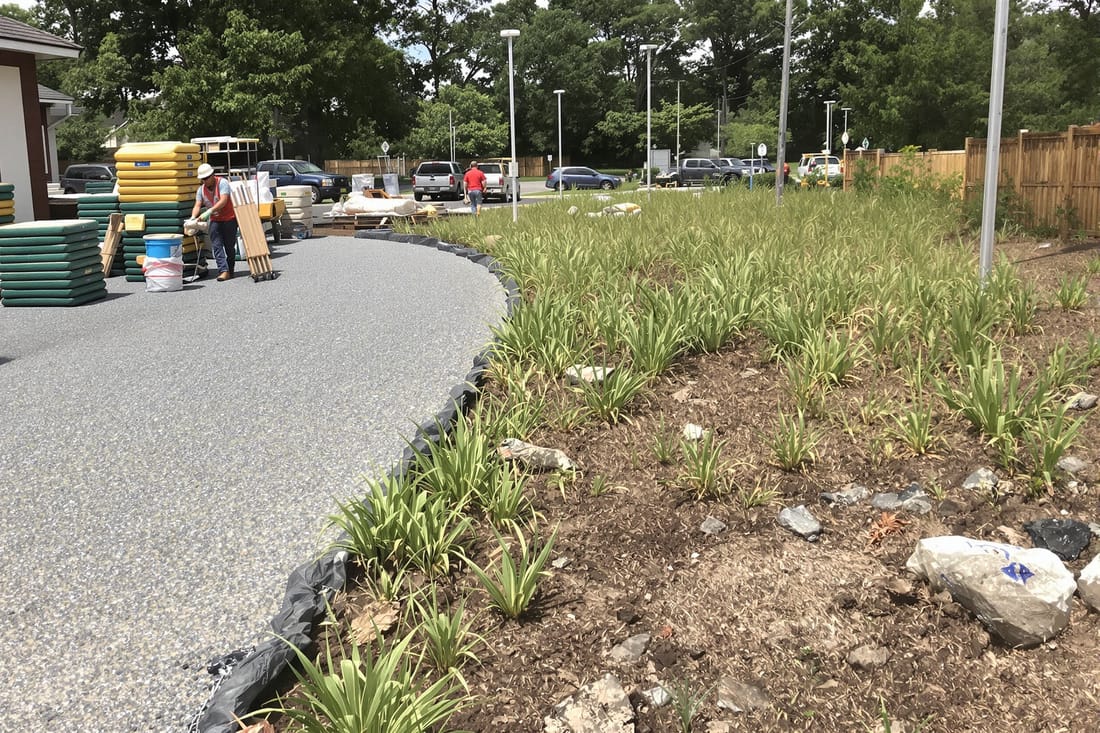
Native & Wetland Restoration Hydroseeding in Fort Worth
Native restoration hydroseeding is not the same as throwing down a generic seed mix and hoping for the best. In North Texas, it is about rebuilding plant communities that fit our climate, soils, and wildlife. At Legendary Hydroseeding Fort Worth, we focus on native prairie and wetland edge species that can handle hot, windy summers, heavy storms, and long dry spells.
Our work often starts where something has gone wrong. That might be a construction site that scraped away the topsoil, a creek bank that is eroding after a subdivision went in, or a low area that holds water and has turned into a patch of weeds. Hydroseeding lets us get seed, mulch, fertilizer, and soil amendments placed in one even application so those areas can recover with plants that belong in this part of Texas.
Instead of using a standard turf mix, we select native grasses, forbs (wildflowers), and wetland plants suited to the exact conditions on your site. For Fort Worth, that often means mixes with little bluestem, sideoats grama, buffalograss, and green sprangletop on uplands, and species like switchgrass, Indiangrass, and smartweeds in wetter zones. The result is a stand of plants that needs less watering once established, supports pollinators and birds, and does a better job holding soil in place than shallow rooted turf alone.
How Native Restoration Hydroseeding Actually Works
A successful restoration job is 90 percent preparation and planning. We start with a site visit in Fort Worth or the surrounding area so we can see your soils, slopes, drainage patterns, and the existing vegetation. If there is thick bermudagrass or invasive species like Johnson grass or alligator weed, we usually plan one or more control passes first. That might involve herbicide treatments, mowing at the right height, or scraping and hauling off thatch or debris so native seed has a chance to reach soil.
Next, we address grading and surface prep. For prairie style restoration, we want a firm but slightly rough seedbed. That can mean light tilling followed by packing, or simply scarifying compacted areas so roots can break through. In wetlands, we look carefully at high water marks, flood patterns, and where water stands after a storm, because small changes in elevation often decide which plants will live or die.
Once the site is ready, we build a custom hydroseeding slurry. A typical restoration mix from Legendary Hydroseeding Fort Worth includes native seed, a fiber mulch, a tackifier (a sort of glue that helps mulch and seed stay in place during rain), and starter fertilizer that fits the soil test. On steep slopes or where floodwaters hit hard, we may upgrade to a bonded fiber matrix for extra erosion control. Then we load the slurry into our tank and apply it with a hose or turret so we get even coverage over the entire treatment area.
After application, we flag and map the zones so you know which areas are upland, transitional, and wetland planting. We give you a tailored watering and mowing plan, plus clear expectations on how the site should look in 30, 60, and 180 days, so you are not guessing whether the project is on track.
Native Seed Mixes, Wetland Zones, and Seasonal Timing
Fort Worth sits in a transition between Blackland Prairie and Cross Timbers, and the soils can change from heavy clay to sandy loam in one property. That is why we do not use the same mix on every job. For dry upland areas, we lean on drought tolerant grasses like little bluestem, blue grama, and buffalograss, blended with forbs such as Engelmann daisy and plains coreopsis for color and pollinator value. These mixes create a deeper root system that helps withstand our hot summers and reduce irrigation needs after establishment.
In wetland and riparian restoration, we divide your project into zones. In the frequently flooded zone, we might use species like barnyard grass, sedges, rushes, and smartweeds. In the occasionally flooded zone, we may include switchgrass, Indiangrass, and eastern gamagrass. On the upper bank, we transition into prairie species. Hydroseeding lets us change the slurry recipe as we move up or down the slope, so each band of elevation gets seed that matches its moisture regime.
Timing is critical in North Texas. For pure native work, the best seeding windows are typically late fall through early winter (roughly November through February) and very early spring. Cool soil and winter moisture help break seed dormancy, and roots can develop before extreme heat arrives. Hydroseeding can still be done outside those windows, but we will usually adjust the mix, increase mulch coverage, and plan for more irrigation during the first summer.
If you have a construction deadline or a city requirement for stabilization, we may blend a quick establishing nurse crop like annual rye with the native mix. The rye holds soil and gives visual cover fast, then fades out as the native species take over in the second and third year.
Cost Drivers, Common Problems, and How We Handle Them
Native restoration hydroseeding has more variables than a simple lawn install, so it helps to understand what affects pricing. The biggest cost drivers are project size, level of site prep, steepness and accessibility, and the complexity of the seed mix. Treating invasive grasses, hauling off debris, and shaping slopes for stable drainage all add labor and equipment time, but they also dramatically improve your odds of success.
Custom native and wetland seed mixes cost more than commodity turf seed, especially when they include a high diversity of wildflowers and wetland species, or locally adapted ecotypes. Hydromulch selection also matters. A basic paper mulch is cheaper but not ideal for high energy drainage channels or steep creek banks, where we often recommend a wood fiber mulch or a bonded fiber matrix to withstand intense Fort Worth thunderstorms.
Common problems in North Texas include heavy rains right after seeding, extended drought during the first summer, and weed pressure from seed already in the soil. Legendary Hydroseeding Fort Worth deals with these by matching mulch and tackifier to slope and rainfall risk, planning watering support (where feasible), and giving you a schedule for post emergence weed management. For example, we may suggest letting natives reach a certain height before the first mow, then mowing high to clip annual weeds while sparing slower native perennials.
We are also realistic about timelines. A restoration site usually looks patchy in year one, fuller in year two, and really shows its true character in years three and four. We explain what is normal at each phase so you do not panic and spray or mow at the wrong time, which can set the project back.
What Fort Worth Property Owners Should Know Before Hiring
Before you hire anyone for native restoration hydroseeding, clarify what success means for your site. If you are a commercial or municipal client in Fort Worth, you may have stormwater permits or mitigation requirements that specify species, coverage percentages, and monitoring periods. We can work from your plans or coordinate with your engineer or environmental consultant so the hydroseeding plan matches those documents.
For private landowners, ranches, and HOAs, we start with your goals. Are you trying to stabilize a pond bank, create wildlife habitat, reduce mowing, or replace a failed turf slope beside a roadway? Each goal slightly changes how we design the mix, handle slope preparation, and plan for future maintenance. We will talk through how much maintenance you are willing to take on, whether you have irrigation, and how often you can mow or spot spray.
Ask any contractor about their seed sources, how they control weeds before and after seeding, and what kind of follow up support they offer. Legendary Hydroseeding Fort Worth provides seed tags and mix specs, explains any herbicide recommendations in plain language, and leaves you with a straightforward care plan. We are local, so we have seen what our hot, windy springs and sudden downpours can do to a new seeding, and we design your project with that in mind.
If you are ready to talk through a specific native or wetland restoration project in the Fort Worth area, we can walk the site with you, mark out zones, and give you a practical estimate that breaks out the major components: site prep, seeding, mulch type, and any erosion control extras such as blankets or check structures. That way you know exactly where your money is going and what to expect over the next several growing seasons.