Home › Solar Farm and Energy Project Hydroseeding
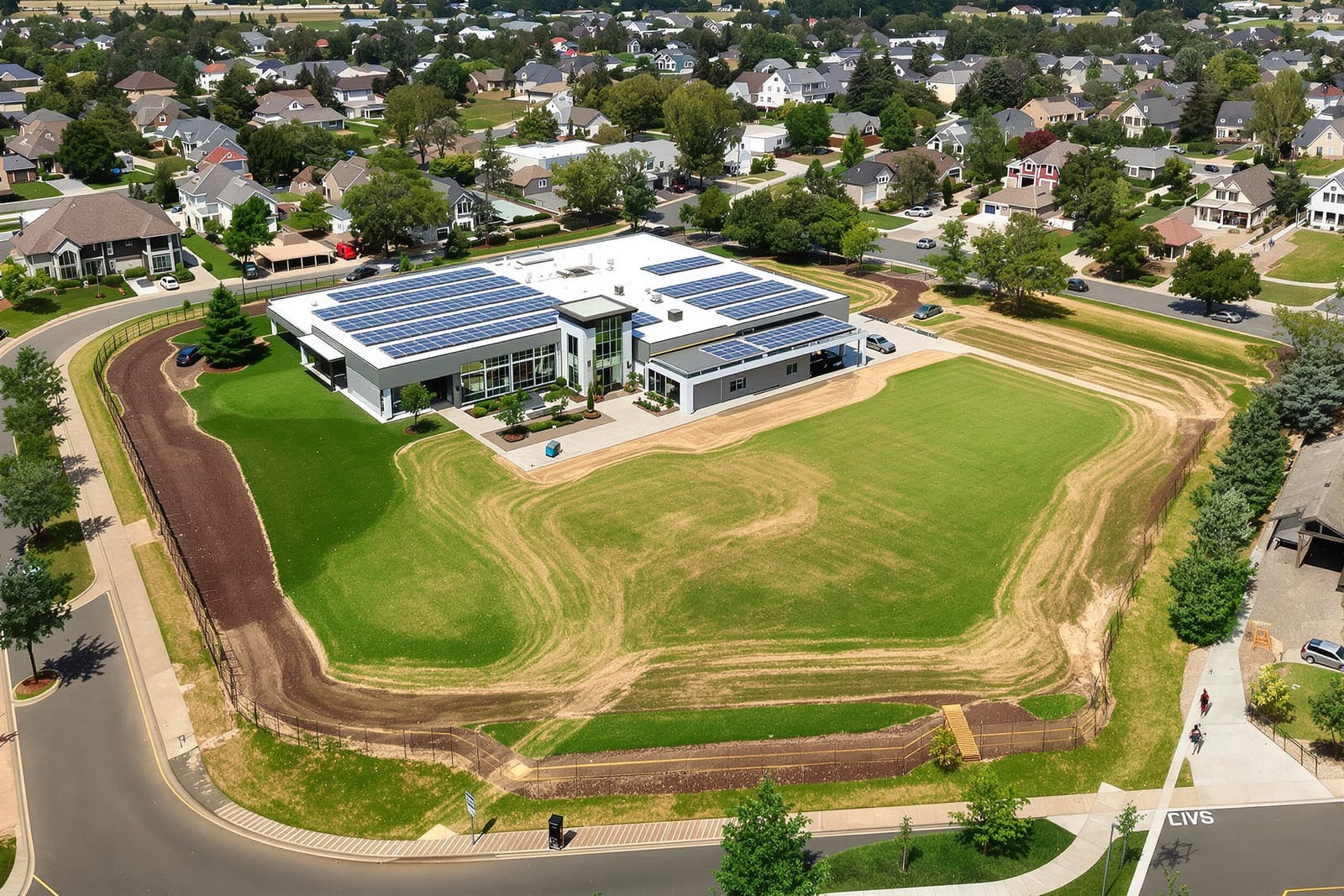
We provide solar farm hydroseeding in Fort Worth, TX to establish low growing, stable vegetation beneath and between panels. Our mixes reduce dust, control erosion, and minimize mowing conflicts with racking and wiring. Support efficient operations and environmental goals with professional hydroseeding.
Legendary Hydroseeding Fort Worth provides professional solar farm hydroseeding throughout Fort Worth, TX, Texas and the surrounding area. Our licensed, insured crew delivers safe, clean, on-time work with a free estimate before anything begins. Call 682-900-2918 or request your free quote.
Solar Farm Hydroseeding That Works In North Texas Conditions
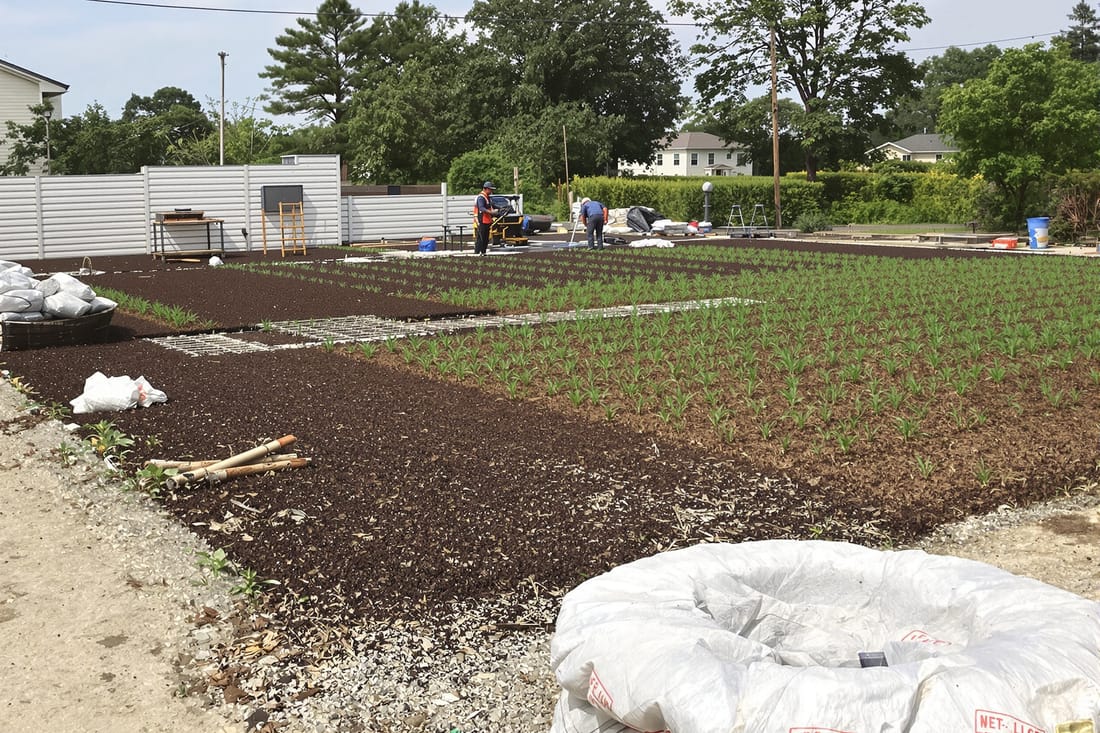
Solar farm hydroseeding in Fort Worth is not about making a site look green for photos. It is about controlling erosion, stabilizing soil under and between solar arrays, and keeping vegetation at a height that will not interfere with panels, tracking systems, or wiring. Legendary Hydroseeding Fort Worth designs every mix and application around those goals.
Most solar and energy projects around Fort Worth sit on clay-heavy or disturbed construction soils that crust, shed water, and blow in the wind. Hydroseeding lets us bind that surface, introduce the right vegetation quickly, and create a low-maintenance groundcover that can handle heat, drought, and the occasional flood event. We tune seed mixes and application rates for tracker clearances, maintenance access, and panel shading patterns instead of using a standard lawn blend.
For local projects, timing is as important as the product. In our climate, the most reliable windows for solar farm hydroseeding are late February through April for cool-season establishment and September through early November for warm-season natives and blends. Summer applications are possible on tight schedules, but they require heavier mulch rates, more intensive watering plans, and realistic expectations about germination speeds.
Our Process For Utility-Scale & Commercial Solar Farm Hydroseeding
Legendary Hydroseeding Fort Worth treats solar and energy sites as engineered facilities, not landscaping jobs. Our process begins with a site walk and plan review. We look at as-built grading, inverter pads, underground lines, and access roads, then map out which areas truly need vegetation and which require hard surface or rock. This often saves owners money by not hydroseeding where it will be damaged or provide no benefit.
Next we test or at least visually classify soils in several zones: high ground, swales, detention basins, and access routes. In the Fort Worth area, we frequently encounter compacted clay subgrade with a thin layer of construction topsoil, or pure subgrade on cuts and embankments. That tells us how much fertilizer, organic amendment, and mulch are needed for seed-to-soil contact and moisture retention.
Before we spray anything, we confirm access for water trucks and hydroseed rigs. For large arrays, we often stage from perimeter roads and run hose lines between rows instead of driving under racking. This limits rutting and avoids contact with posts and cables. Where necessary, we coordinate with your EPC or O&M contractor so application happens after heavy equipment traffic but before final energizing.
During application, our crew works in planned passes that match the layout of the array. We typically start on steeper slopes and drainage paths, then move to flatter inter-row areas. Each load is mixed with the specific seed blend, fertilizer, tackifier, and mulch type selected for that section, not a single mix for the whole site. We record actual product rates so you have a clear as-built record for environmental or lender documentation.
Seed Mixes, Materials, And Options For North Texas Solar Arrays
A central decision for solar farm hydroseeding is what you want growing under and around the panels. Legendary Hydroseeding Fort Worth typically recommends one of three approaches for the Fort Worth region, depending on your performance and maintenance goals.
First, low-growing cool-season turf-type blends (often fescues with companion species) can be used in shaded or partially shaded inter-row areas where mowing equipment can operate. These mixes green up early, hold soil quickly, and tolerate some foot traffic, but they often require supplemental water and more frequent mowing to keep seedheads away from panel faces and equipment.
Second, native and adapted warm-season mixes are popular for long-term stability and reduced irrigation. For local utility-scale work we often specify a combination of buffalo grass, blue grama, side-oats grama, and regionally adapted forbs. These species root deeply in our clay soils, handle drought, and generally stay within acceptable height if you are not trying to maintain a manicured appearance. Establishment is slower, so timing and temporary erosion control are important.
Third, specialty pollinator-friendly blends can be used in perimeter zones or non-array areas where inspectors, neighbors, or company ESG goals call for habitat creation. We select species that will not grow tall enough to shade panels or create a fire load near equipment, which is a common mistake when generic pollinator mixes are used on solar projects.
On the material side, we use different mulches and tackifiers for different slopes and soils. Flat interior rows may get a lighter wood or paper mulch, while outer embankments, detention slopes, and inverter pads often receive premium wood fiber mulch with a higher tackifier rate, or even bonded fiber matrix on highly erosive cuts. Fertilizer is adjusted for native or low-input mixes so we promote establishment without creating an explosion of weeds. Every material choice is tied back to a specific part of your site plan, not a one-size-fits-all approach.
Erosion Control, Drainage, And Vegetation Height Management
The main reason developers and EPCs call Legendary Hydroseeding Fort Worth for solar farm hydroseeding is erosion control. Our first objective is to stabilize disturbed soils so you do not lose topsoil into cable trenches, junction boxes, or nearby creeks during a spring thunderstorm. We pay special attention to drainage paths between rows, around culverts, at fence lines, and below outfalls.
To handle Fort Worth rain events, we often pair hydroseeding with structural or rolled erosion control methods. This might include check dams in ditches, rock at outfalls, and turf reinforcement matting on steep channels. We hydroseed under and around these treatments so vegetation can lock everything together. On steep slopes, we increase mulch and tackifier rates and may run a second light pass to ensure complete coverage.
Vegetation height is a constant concern around panel strings and tracking mechanisms. We use species that naturally stay shorter in full sun and under partial shade, and we set realistic expectations with owners on mowing intervals. For example, a native-based mix might only need two to three cuts per year if the goal is functional cover rather than a lawn look. We also plan for access, leaving unseeded or minimally vegetated strips along permanent access tracks where necessary so maintenance vehicles can reach arrays without tearing up cover.
Where weeds are an issue, especially on former rangeland or cropland, we recommend a simple pre-emergent and post-emergent plan aligned with your O&M contractor's capabilities. Our seed selection and fertilization rates are designed to help desired cover outcompete invasives so you are not locked into aggressive chemical programs forever.
Costs, Scheduling, And What Drives Your Solar Hydroseeding Budget
Developers and asset owners ask most often what solar farm hydroseeding will cost. In the Fort Worth area, the main cost drivers are total acres, access difficulty, slope complexity, and the type of seed and mulch specified.
Large, open, gently sloped sites with good perimeter roads are the most efficient to hydroseed. We can cover more ground per day with fewer hose pulls and faster refill times, which brings the price per acre down. When we have to run hundreds of feet of hose between tight rows, hand spray steep embankments, or coordinate around ongoing construction, the labor hours go up and so does the per-acre cost.
Seed mix choice matters as well. Native and specialty pollinator mixes are generally more expensive than standard turf blends, and heavy wood fiber mulches or bonded fiber matrices cost more than lighter paper or mixed-fiber mulches. We are upfront about these options and will show you what a specification change actually does to both cost and expected performance.
In terms of schedule, Fort Worth weather is the biggest variable. For projects on lender milestones, we typically recommend final grading be completed at least 7 to 10 days before a target hydroseeding window, so we are not chasing moving dirt or dealing with last-minute compaction. We also advise building in contingency days for wind. Hydroseeding in strong gusts leads to uneven coverage and drift around equipment, so we sometimes shift to early morning or late evening applications during windy periods.
Legendary Hydroseeding Fort Worth typically mobilizes within 1 to 3 weeks for most local solar projects, depending on acreage and the complexity of the seed mix procurement. For very large utility-scale sites, staggering work in phases is often more efficient and aligns with how construction wraps up across different blocks.
What Fort Worth Solar Owners Should Ask Before Hiring A Hydroseeding Contractor
Choosing the lowest bid for solar farm hydroseeding can cost you far more later in washouts, rework, and maintenance headaches. Before you hire anyone, ask whether they have direct experience working around energized equipment, trackers, and underground lines. Legendary Hydroseeding Fort Worth trains its crews on site-specific safety, lockout procedures where applicable, and utility mark-outs so we are not guessing where lines run or how close we can stage.
You should also ask for local seed mix examples and performance references from similar sites. Hydroseeding that works in other regions does not always perform in the Fort Worth climate with our heat, drought cycles, and violent storms. We can show you which mixes held up on nearby solar and energy projects, how quickly they covered, and what maintenance the owners actually ended up doing.
Clarify who is responsible for watering, weed control, and mowing in the first year. Hydroseeding is not a magic cure if nothing else is done. On most commercial and utility installations, we provide a simple establishment plan that your O&M team or landscape vendor can follow. This may include a 30 to 60 day watering outline, a first-mow timing, and guidelines for addressing bare spots before they become erosion problems.
Finally, make sure you will receive clear documentation. We provide product data sheets, seed tags, application rates, and a site map of which mixes were used in which zones. This helps with environmental reporting, lender inspections, and any future troubleshooting. With that information, you are not guessing what was sprayed on your solar asset if you need to modify or expand the system later.