Home › Slope, Embankment, and Retention Pond Hydroseeding
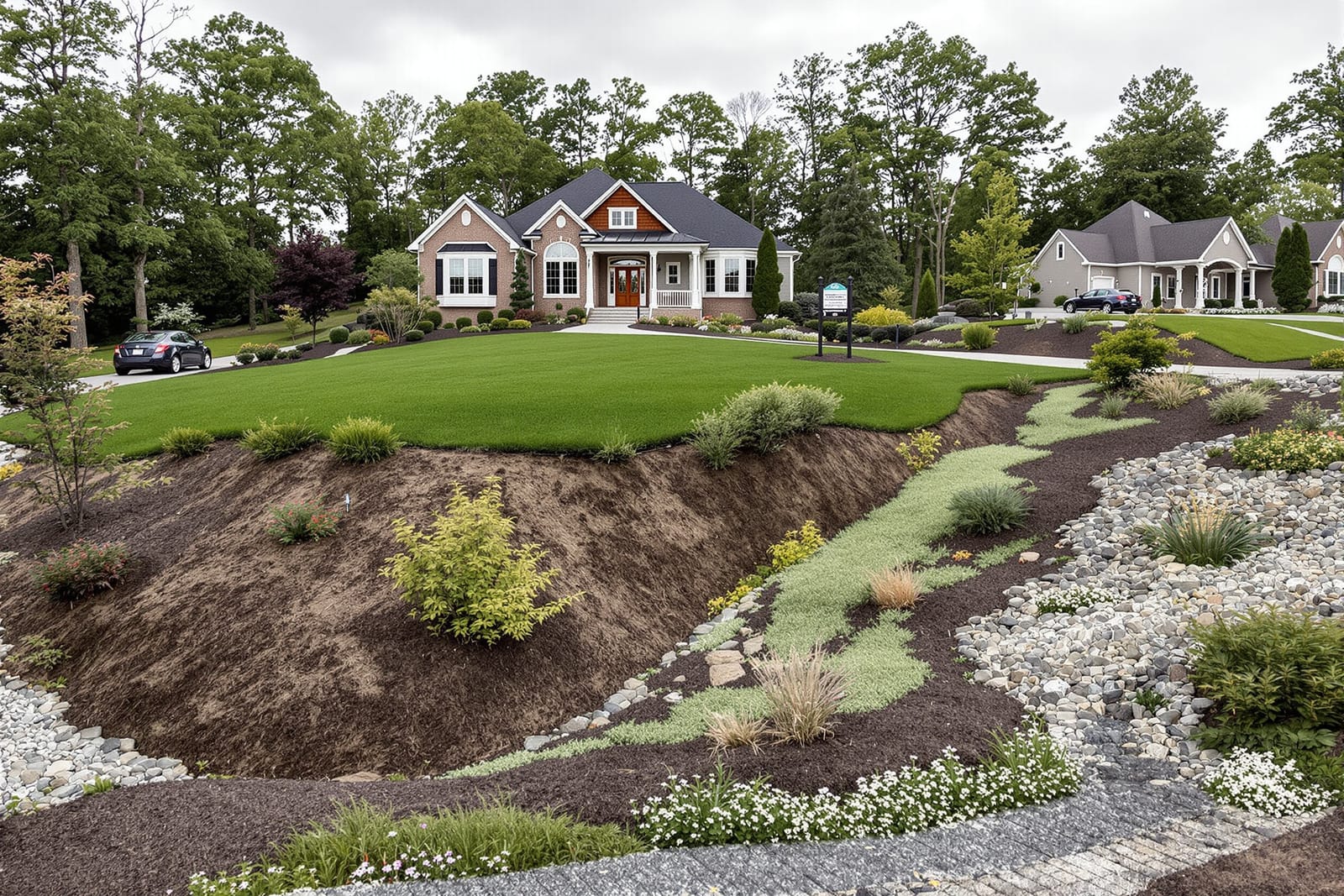
Our commercial slope hydroseeding in Fort Worth, TX stabilizes embankments, detention basins, and drainage channels. We install erosion control seed mixes and can combine them with blankets where needed. Protect infrastructure from washouts while meeting project specifications and appearance standards.
Legendary Hydroseeding Fort Worth provides professional commercial slope hydroseeding throughout Fort Worth, TX, Texas and the surrounding area. Our licensed, insured crew delivers safe, clean, on-time work with a free estimate before anything begins. Call 682-900-2918 or request your free quote.
Engineered Hydroseeding for Slopes and Banks in Fort Worth
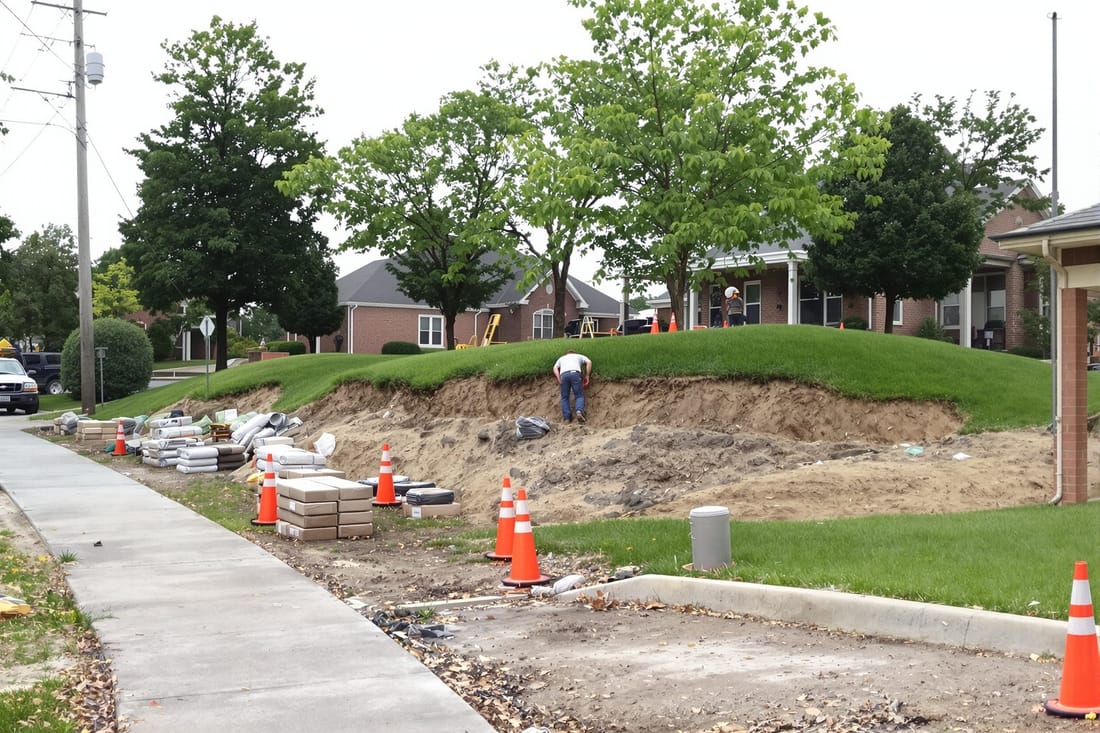
Steep slopes, highway embankments, and retention pond banks around Fort Worth need more than a thin layer of seed if they are going to hold up to our heat, clay soils, and heavy storm cells. Legendary Hydroseeding Fort Worth specializes in commercial slope hydroseeding that is engineered for erosion control as well as long term vegetation.
We routinely work on TXDOT frontage roads, commercial developments along I-20 and I-35W, and large residential communities being built on former ranchland. These sites often have exposed subsoil, construction debris, and sharp grade changes that will not sustain turf without a tailored hydroseeding plan.
Instead of a one mix fits all approach, we evaluate the slope angle, soil type, drainage pattern, and what kind of maintenance access you will have. That lets us specify the right slurry thickness, mulch type, tackifier rate, and seed blend so vegetation actually establishes and stays in place when the first big thunderstorm hits.
How Commercial Slope Hydroseeding Works Step by Step
Our process for slope, embankment, and retention pond hydroseeding follows a clear sequence so you know what is happening on your site and why it matters.
1) Site walk and measurement. We walk the entire slope or pond perimeter, identify soft spots, rills, or sloughing areas, and measure square footage and slope length. For retention ponds, we note normal pool elevation and anticipated fluctuation so we can set a vegetation line.
2) Surface preparation. On most Fort Worth construction sites the soil is compacted by heavy equipment. We loosen the top 1 to 2 inches with rakes or tractor implements where access allows, remove large rocks or trash, and shape small diversions or check slots if needed to slow water on long runs.
3) Soil amendment selection. If a soil test is available from your engineer, we follow it. If not, we use field tests and experience with local calcareous clay to recommend lime, starter fertilizer, organic matter, or gypsum. For steep highway embankments or inaccessible pond banks, we incorporate powdered amendments directly into the slurry so they reach the soil surface.
4) Slurry mixing. At your site we load water, fiber mulch, seed blend, tackifier, and additives into our hydroseeder tank. The agitation system blends this into a uniform slurry. For critical slopes we increase mulch and tackifier rates for a heavier, more protective mat.
5) Application. Using hose lines or turret nozzles, we apply the slurry from the bottom of the slope up, overlapping passes so there are no bare stripes. On very steep faces or pond side slopes, we spray from multiple angles to coat grooves and irregularities.
6) Quality check and cleanup. We walk the area again, touch up thin spots, and verify coverage behind structures, around headwalls, and at pipe outfalls. You receive post application watering and mowing instructions tailored to the season and your irrigation availability.
Seed Mixes and Mulch Systems Suited to North Texas Slopes
Vegetation on a slope is not just for looks. The root system is what holds Fort Worth's clay and sandy loam in place once the hydro mulch has broken down. Legendary Hydroseeding Fort Worth selects plant species specifically for local slope performance.
For road embankments and commercial berms we typically combine deep rooted natives (such as little bluestem and sideoats grama) with fast establishing cover like annual rye or quick germinating Bermuda. This gives you green cover within weeks and long term stability within months.
On retention pond embankments and side slopes, we often favor species that tolerate periodic flooding and drought, for example a mix of turf type Bermuda above the normal water line with more moisture tolerant grasses closer to the toe of slope. In some cases we incorporate native forbs or wildflowers in upper slope zones to support pollinators if your project specs allow.
Mulch selection is equally important. For moderate slopes we often use wood fiber or a blended mulch. For steeper banks, exposed pond dams, or channels with concentrated flow, we may recommend a bonded fiber matrix that locks in place or a two step system that combines hydroseeding with a rolled erosion control blanket. The right choice depends on slope angle, expected runoff, and whether the area will be mowed.
Cost Factors for Slope, Embankment, and Pond Hydroseeding
Hydroseeding large slopes can be very cost effective compared to sod or hard armor, but the price is driven by more than square footage. When we price commercial slope hydroseeding in Fort Worth, we account for several specific factors so you understand where your budget is going.
Access and mobilization. Slopes behind warehouses in Alliance, embankments along tollways, and pond banks behind gated communities all present different access challenges. Long hose runs, off road access, or multiple mobilizations around a pond can increase labor time.
Slope severity and product rates. A gentle 3:1 slope might need a standard mulch rate. A 2:1 or steeper bank, or a dam face exposed to wave action, usually requires heavier mulch, higher tackifier rates, and sometimes upgraded mulch types. These higher material rates directly affect the cost per square foot but reduce the risk of failure.
Seed specification. If your project has a generic "hydroseed with Bermuda" note, we can often use a cost effective certified seed blend. If it requires a precise native mix, specific cultivars, or TxDOT approved blends, those seeds are often more expensive and must be used exactly as specified.
Water source and timing. On some commercial sites we can connect to an existing water supply. On others, especially raw land developments, we must haul water for the hydroseeder, which affects cost. Project timing also matters. Seeding outside prime windows may require overseeding or follow up work that should be budgeted.
We provide itemized proposals so you can see material choices, application rates, and any alternative options for value engineering without sacrificing slope stability.
Common Slope and Retention Pond Problems We Solve
Fort Worth area slopes and retention ponds face recurring issues because of our storm patterns, soil types, and rapid development. Legendary Hydroseeding Fort Worth is often called when a previous "grass only" approach has failed.
Sheet and rill erosion. Freshly graded red or tan clay slopes can form small channels after one storm. Our hydroseeding approach increases surface roughness and uses mulch that absorbs raindrop impact, while the root systems of selected grasses anchor the soil once established.
Sloughing and slides on oversteepened cuts. On certain older residential lots and new commercial pads with aggressive cuts, we see slip planes where the entire skin of soil moves. While hydroseeding alone cannot fix an unstable geotechnical condition, we coordinate with your engineer to stabilize the surface, adjust drainage, and then install vegetation that can tolerate intermittent movement.
Retention pond bank undercutting. Rapid water level changes and wave action can undercut the toe of the slope. We address this by choosing plant species suited to wet feet, raising or redefining the vegetation line, and in some cases recommending rock or hard armor at the very bottom with hydroseeding above.
Sediment control and compliance. Bare slopes that feed into ponds can quickly blow out your sediment control plans and inspection reports. Vegetated slopes and pond banks dramatically reduce sediment load. We often integrate our work with silt fences, check dams, and inlet protection already specified on your SWPPP so you achieve compliance faster.
Hydroseeding for New Developments, Highways, and Industrial Sites
Different properties around Fort Worth require different hydroseeding strategies to meet performance and appearance goals.
On new subdivisions in areas like Crowley, Benbrook, or north of Keller, developers often need long perimeter berms, detention pond banks, and lot to lot slopes stabilized before home construction is complete. We design mixes that provide a neat, maintainable turf appearance acceptable to HOAs while still functioning as erosion control.
For highways and interchanges we understand that access can be limited and traffic control may be required. We coordinate with general contractors to schedule hydroseeding after final grading but before mulch blankets or fencing are removed. Uniform green coverage is not only a safety and aesthetics concern, it also helps agencies satisfy environmental requirements.
Industrial and logistics facilities along the I-35W and 820 corridors tend to have large detention and retention ponds, steep truck court transitions, and slopes behind retaining walls. Here, maintenance access is often restricted and mowing is infrequent. We favor low maintenance grass blends, robust mulch systems, and application methods that reach behind fences, signposts, and loading docks.
Across all these property types we keep an eye on long term maintenance. That means setting realistic expectations on mowing heights, irrigation needs during the first establishment season, and how these slopes will look and function three to five years after installation.
Why Work With Legendary Hydroseeding Fort Worth on Your Next Slope Project
Commercial slope hydroseeding is a specialty, not a sideline. Legendary Hydroseeding Fort Worth focuses on the combination of material science, local soils knowledge, and application technique that separates a lasting solution from a one season green wash.
Our crews are experienced with multi acre jobs, staged work around active construction, and tight deadlines before final inspection. We maintain our own hydroseeding equipment so you are not waiting for a rental. On engineered jobs we follow the plans and documentation closely and provide seed tags and application rates for your records.
When you contact us, we will ask specific questions about your slopes or retention pond banks: design drawings if available, photos, soil conditions, access limitations, required seed mixes, and your schedule. We can meet on site, walk the grades with your superintendent or property manager, and provide a clear, written scope that spells out products, rates, and expectations.
If you are planning a new commercial development, roadway improvement, or rehabilitation of an existing pond or embankment in the Fort Worth area, a short consultation early in the grading phase can save significant rework later. Reach out to Legendary Hydroseeding Fort Worth to discuss a commercial slope hydroseeding plan built specifically for your site, soil, and project goals.