Home › Landfill and Mine Reclamation Hydroseeding
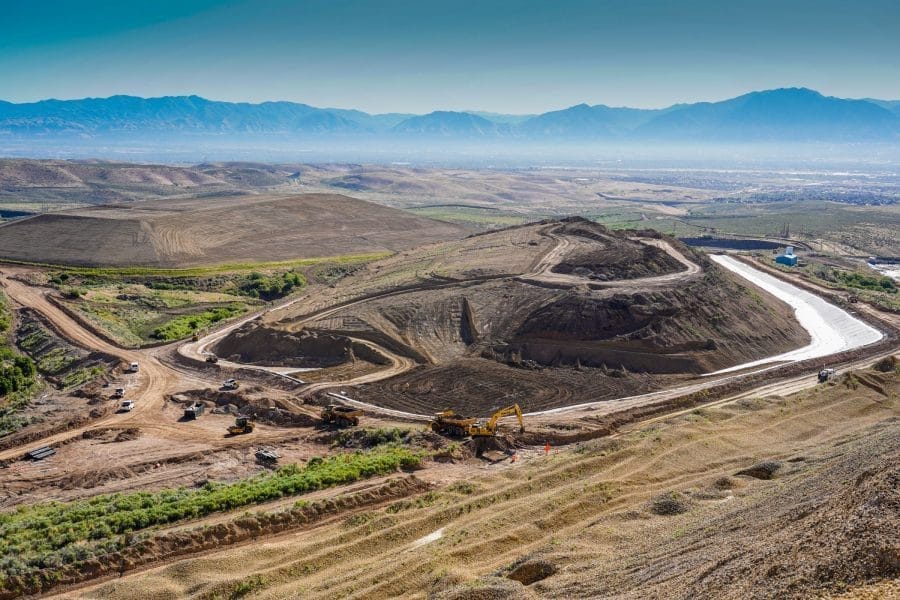
We perform landfill reclamation hydroseeding in Fort Worth, TX to vegetate caps, side slopes, and disturbed industrial sites. Our crews apply specialized seed blends for long term stability and low maintenance cover. Meet regulatory requirements while improving the appearance and function of closed sites.
Legendary Hydroseeding Fort Worth provides professional landfill reclamation hydroseeding throughout Fort Worth, TX, Texas and the surrounding area. Our licensed, insured crew delivers safe, clean, on-time work with a free estimate before anything begins. Call 682-900-2918 or request your free quote.
Landfill and Mine Reclamation Hydroseeding in Fort Worth
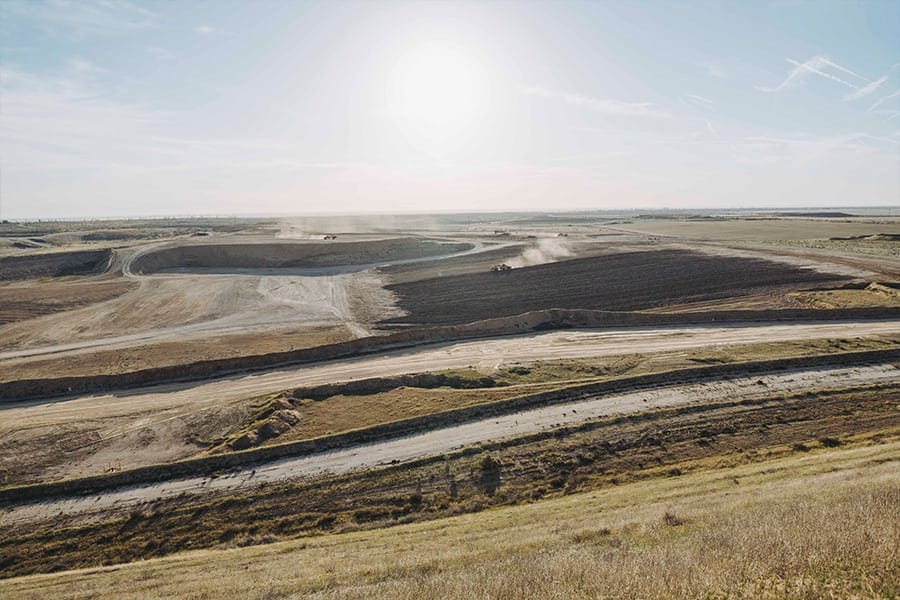
Landfill and mine reclamation hydroseeding is not the same as standard lawn hydroseeding. The slopes are steeper, the soils are harsher, and the environmental regulations are stricter. At Legendary Hydroseeding Fort Worth, we design each reclamation project around the exact conditions on your site in Tarrant County and the surrounding North Texas region.
Our focus is long term stabilization. We combine specialized seed mixes, high performance mulches, soil amendments, and application techniques that handle high heat, intense storm events, and wind on exposed caps and spoil piles. Whether you manage a closed landfill cell near the Trinity River or an old sand or gravel pit on the edge of the metroplex, our work is designed to reduce erosion, control dust, and help you stay in compliance with your landfill closure or mining reclamation plan.
How Professional Reclamation Hydroseeding Works
Effective landfill reclamation hydroseeding starts with site assessment. We walk the slopes, check for settlement, identify seeps or leachate areas, and note existing vegetation. We take soil samples from representative areas, especially on south and west facing slopes that bake in the North Texas sun.
Next, we develop a site specific hydroseeding plan. This includes slope stabilization priorities, seed mixes for different exposures, mulch types and rates, and any soil amendments needed. On capped landfill cells we also coordinate with your engineer to confirm no activity will penetrate the cap or conflict with cover system requirements.
When it is time to apply, we use large capacity hydroseeding equipment that can reach long slopes and hard to access areas. The tank is loaded with water, seed, fertilizer (if allowed in your plan), soil conditioners, and a mulch blend tailored to your site. We apply from the top of the slope down wherever possible to achieve even coverage and minimize tracking on the face of the cap. On very steep or highly erodible slopes, we often use a two pass system: a first pass with a tackified mulch for immediate protection and a second pass with a growth-focused slurry.
After application, we walk the site again to check coverage, address any bare spots, and mark areas where additional erosion controls such as check dams or wattles may be needed.
Choosing the Right Seed, Mulch, and Amendments for Reclamation
The materials that go into a reclamation hydroseeding mix drive both the performance and the cost of the project. Legendary Hydroseeding Fort Worth specifies seed species that can handle alkaline, compacted soils and long dry periods, which are common on local landfills and former mine areas.
For most Fort Worth reclamation projects, we use a combination of deep rooted native grasses, nurse species for quick cover, and sometimes legumes for nitrogen fixation. Native species like sideoats grama and little bluestem perform well here when combined with quick establishing cover species such as annual rye or sterile hybrid grasses to lock down the soil in the first season.
Mulch choice is just as critical. On gentler slopes, a high quality paper or wood fiber mulch may be enough. On steeper faces or areas with concentrated flow, we often recommend a bonded fiber matrix or a high loading of wood fiber mulch with a strong tackifier. These products create a durable mat that resists heavy downpours, which are common in spring and early fall storms in Fort Worth.
If soil tests show low organic matter or severe compaction, we incorporate soil amendments into the hydroseeding slurry or apply them separately before hydroseeding. This can include composted organic matter, gypsum for sodic or tight clays, and slow release fertilizers where permitted by your regulatory plan.
Cost Factors for Landfill Reclamation Hydroseeding in Fort Worth
Landfill reclamation hydroseeding is priced differently than residential or commercial turf work. Several specific factors influence cost:
Area and accessibility: Large contiguous areas can be hydroseeded more efficiently, but steep slopes, limited access roads, or the need for long hose runs increase labor and time. Landfill sites on the edges of Fort Worth often have restricted access that we plan around.
Slope and erosion risk: Steeper grades and highly erodible soils require heavier mulch rates, upgraded products like bonded fiber matrix, and sometimes multi pass applications. These materials cost more but are usually far less expensive than repairing slope failures or washouts.
Seed mix complexity: Standard reclamation blends are more economical. If your closure plan or environmental permit mandates specific native mixes, pollinator habitats, or restoration of pre existing plant communities, specialty seeds and custom blends add to material cost but are critical for compliance.
Site preparation needs: If we must scarify hard crusts, grade rills and gullies, or coordinate with earthwork crews to finalize the cap surface, this prep work will influence the budget. In some older mine sites around North Texas, additional shaping and compaction are needed before hydroseeding can succeed.
Regulatory documentation: Some clients need before and after photos, application logs, seed tags, and coverage maps for TCEQ or other agency files. We can include this documentation as part of the project scope so you have what you need for audits and inspections.
Common Landfill and Mine Reclamation Challenges We Address
North Texas landfills and former extraction sites bring predictable challenges that we plan for from the start. The first is intense rainfall on bare soils. Sudden storms can carve rills in newly placed cover soil. To manage this, we often coordinate timing so hydroseeding follows immediately after final grading and use erosion resistant mulches and surface drains where needed.
The second challenge is settlement and differential movement of the cap over time. On older cells around Fort Worth, we have seen low spots collect water and vegetation die off. We identify these risk areas early, recommend grading corrections where permitted, and select plant species that tolerate occasional saturation in those positions.
Another frequent issue is wind exposure on higher landfill cells. Fine topsoil can blow away before vegetation establishes. Our crews increase mulch rates in these zones, use tackifiers, and may recommend supplemental surface protection like erosion control blankets or netting on the most exposed faces.
On mine or borrow sites, the main problems are poor soil structure and low fertility. Spoil piles and worked areas often lack topsoil. Our approach is to introduce organic matter where feasible, choose hardy species with aggressive root systems, and accept that these projects may require a second year touch up in small thin spots rather than expecting perfect uniformity in year one.
What Fort Worth Facility Owners Should Know Before Hiring
Before you hire a contractor for landfill reclamation hydroseeding, it is important to confirm that they understand both revegetation and regulatory requirements. Legendary Hydroseeding Fort Worth routinely coordinates with environmental consultants, civil engineers, and landfill managers so the hydroseeding plan matches your closure or reclamation specifications.
Ask any bidder how they will handle steep slopes, access constraints, and post seeding storm events on your specific site. They should be able to explain product choices and provide realistic expectations for first season coverage. Uniform green color in a few weeks is less important than root depth and slope stability over months and years.
You should also verify that the contractor will provide documentation of seed varieties, mulch products, and application rates. For many Fort Worth area landfills, these records are required for compliance and must match what is shown in the closure plan or reclamation permit.
Finally, discuss follow up. Reclamation is rarely a one day, one visit effort. We typically schedule an inspection after the first major rain event and again later in the growing season to identify any problem areas. Building this into the contract ensures that minor issues do not become expensive slope repairs later.
Why Work With Legendary Hydroseeding Fort Worth
Legendary Hydroseeding Fort Worth focuses on performance driven reclamation, not just appearance. Our teams are experienced with the unique combination of clayey subsoils, hot summers, and intense storms that define the Fort Worth area. We bring that local understanding to every landfill and mine reclamation hydroseeding project.
We own and operate our hydroseeding equipment so we can mobilize quickly when your grading crews are ready, which is critical for keeping newly placed cover soil from eroding before it is stabilized. We also stock multiple mulch and tackifier options in house, allowing us to adjust on site if we encounter unanticipated conditions like soft spots or extra steep sections.
If you manage a municipal solid waste landfill, construction and demolition debris facility, or former extraction site near Fort Worth and need long term vegetative cover, we can help you choose an approach that balances cost, compliance, and durability. Our goal is to leave you with a stable, vegetated surface that handles North Texas weather and meets your regulatory obligations with minimal ongoing maintenance.